
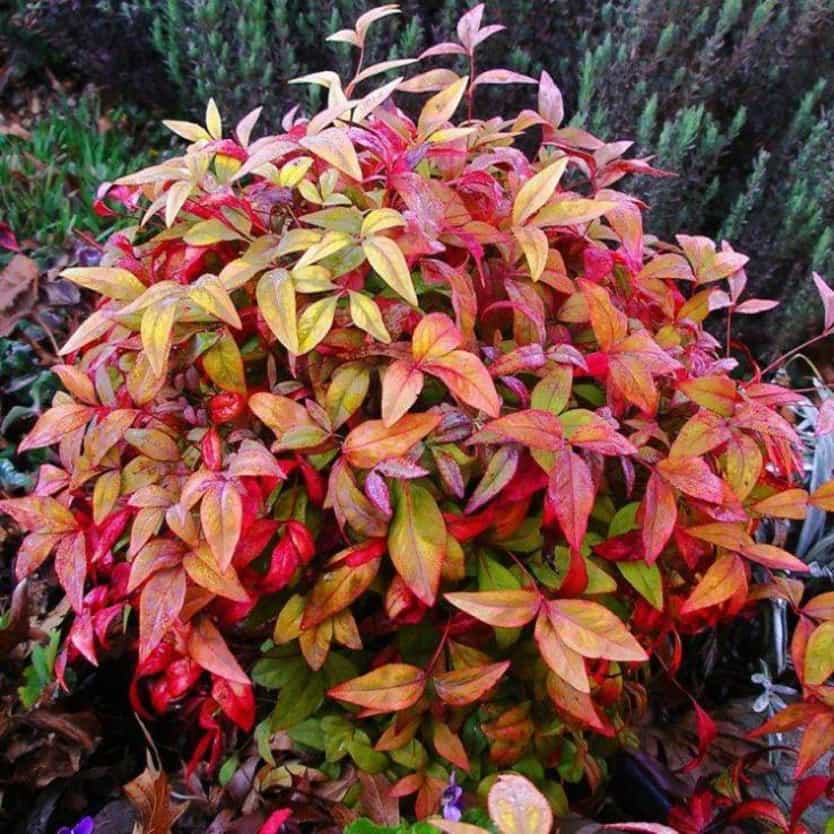
Nandina Domestica
In Japanese culture, Nandina is considered a symbol of good fortune and is often planted in front of homes to ward off bad spirits.
at East Midlands Designer Outlet

Welcome to East Midlands Designer Outlet, where biodiversity comes to life. From the smallest insects to our most iconic species, we showcase the incredible range of plants that call this place home. Explore, learn, and discover how each species plays a vital role in our shared ecosystem.
In Japanese culture, Nandina is considered a symbol of good fortune and is often planted in front of homes to ward off bad spirits.
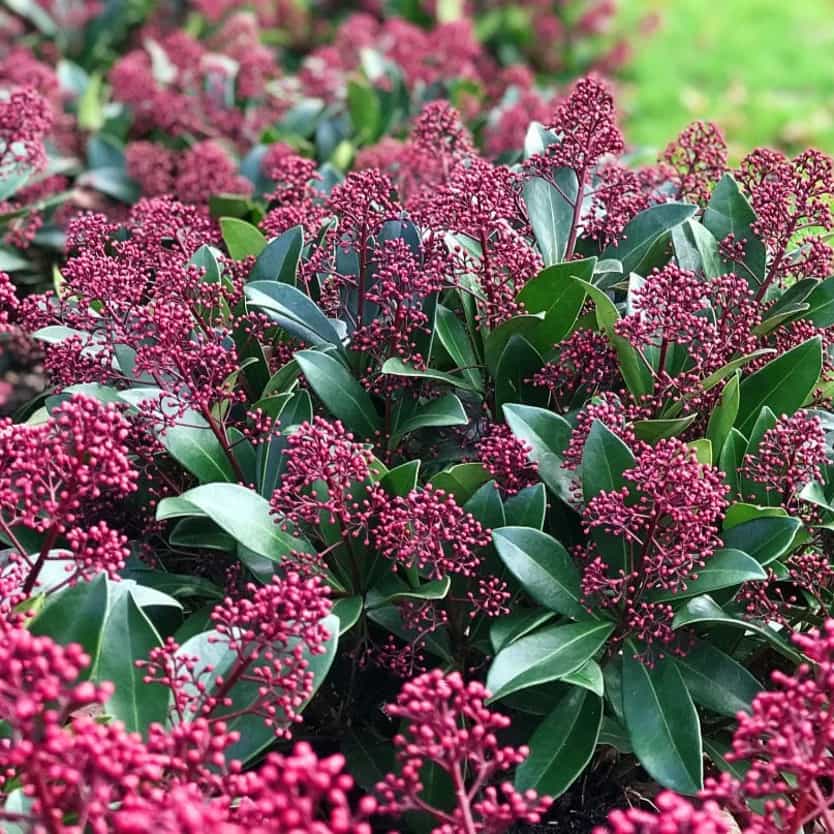
A cool fact about Skimmia Japonica is that its leaves are aromatic! If you crush them, they release a pleasant citrusy scent.
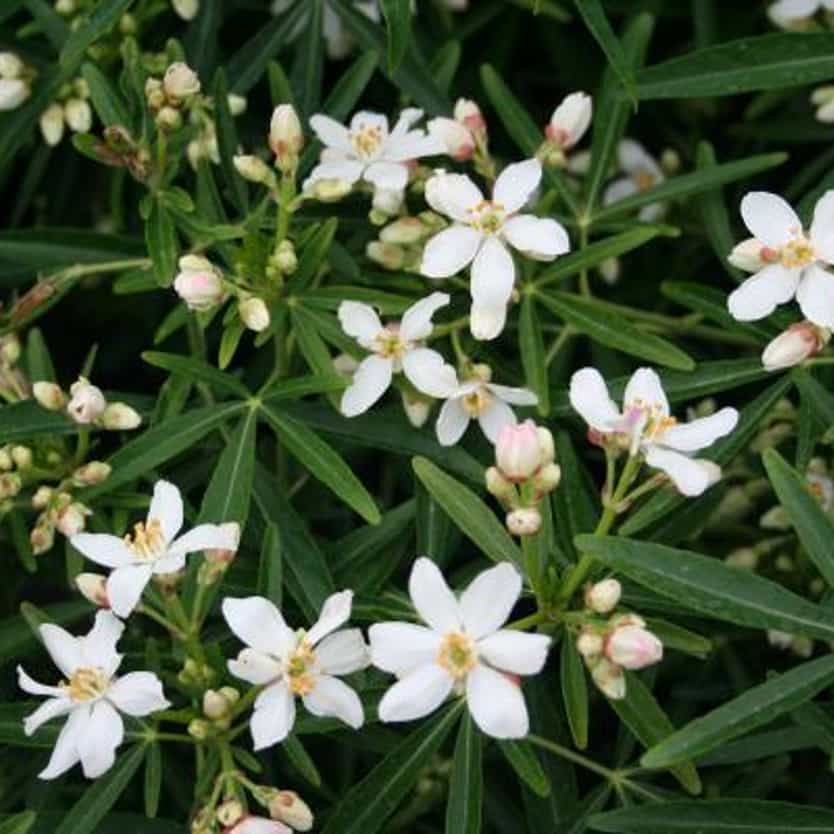
An interesting fact about Choisya - they have received an award from the Royal Horticultural Society with their white citrus scent.
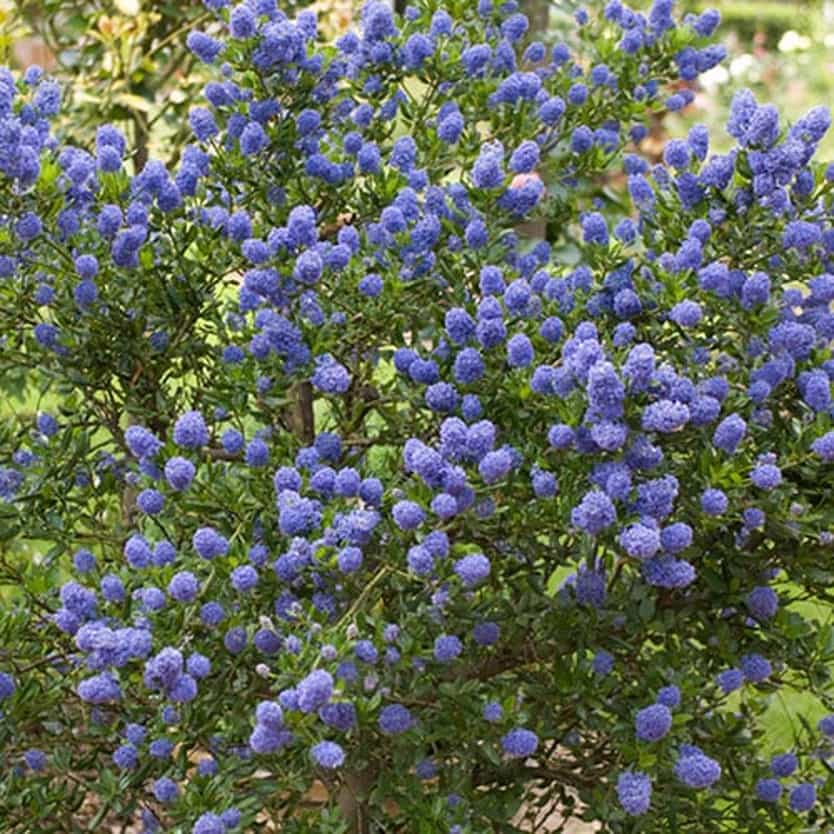
Ceanothus’ provide food and habitat for a variety of wildlife, including deer, quail, and pollinators like bees and butterflies.
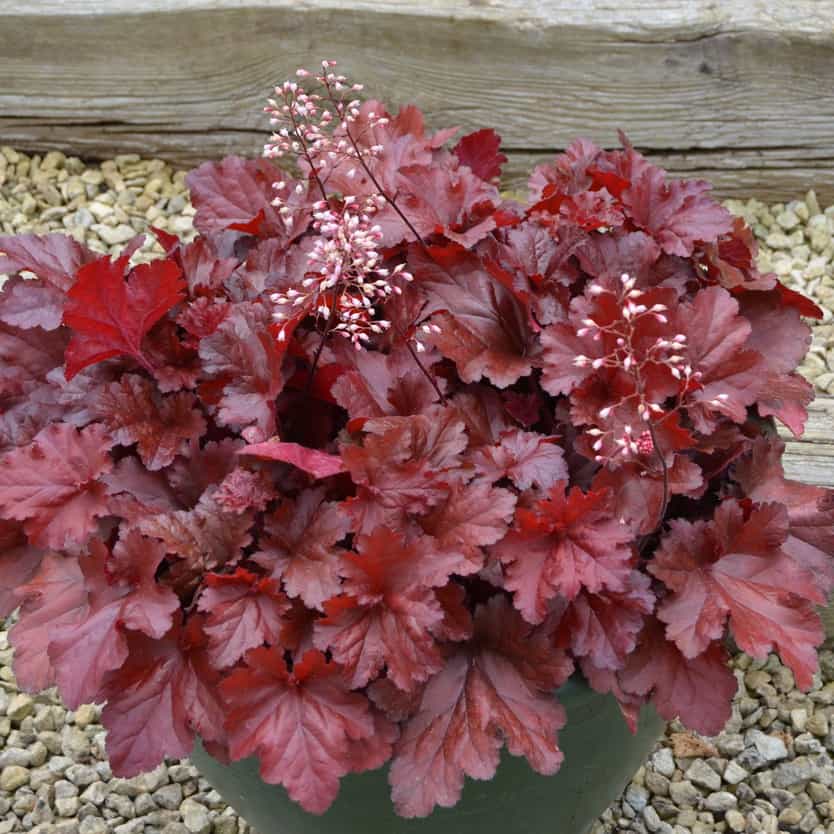
They are a fun and versatile plant, offering a wide range of colours. In some cultures, Heucheras are considered symbols of good fortune and protection.
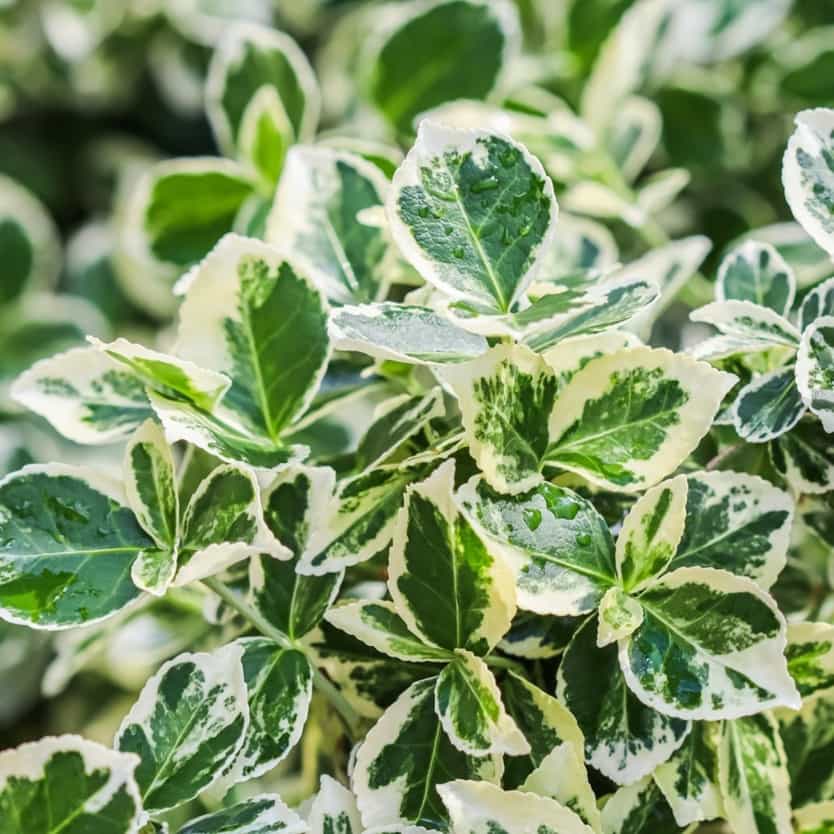
A fun fact about Euonymus Emerald Gaiety is that it can be trained to climb walls and trellises, making it suitable for vertical gardens.
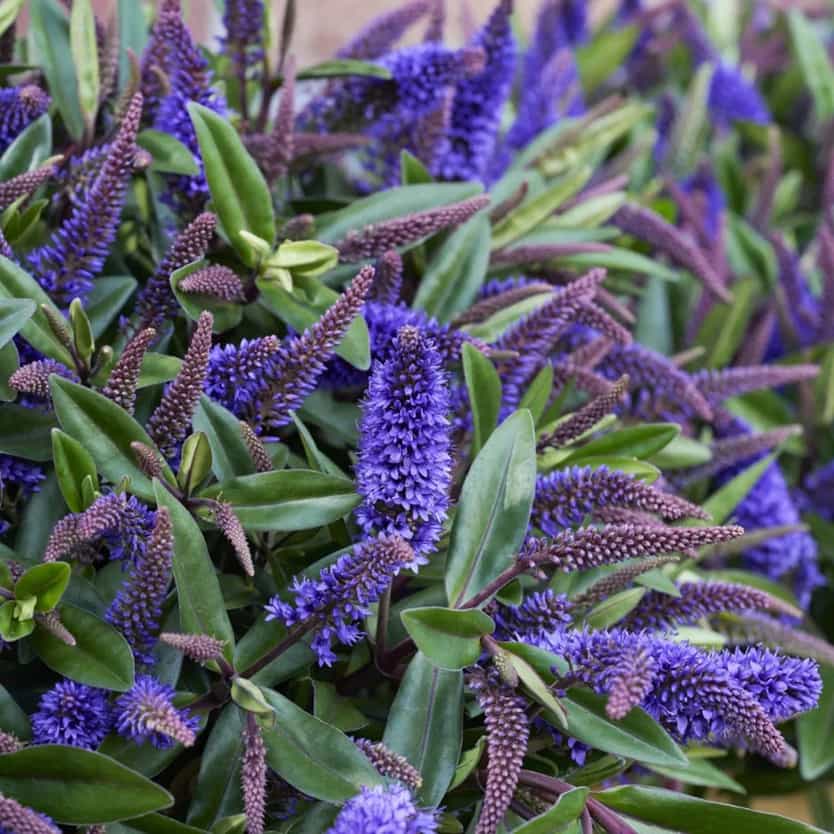
This plant represents the blossoming of nature and spring and bestows nectar to the gods. Hebe symbolises freshness, vitality and youth.
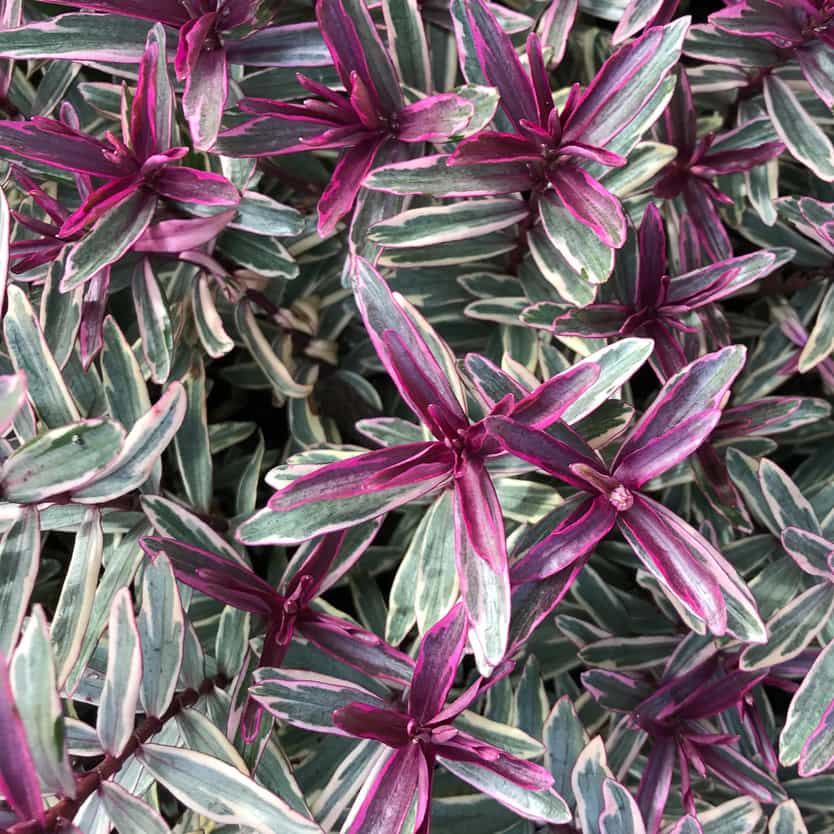
This plant represents the blossoming of nature and spring and bestows nectar to the gods. Hebe symbolises this freshness, vitality and youth.
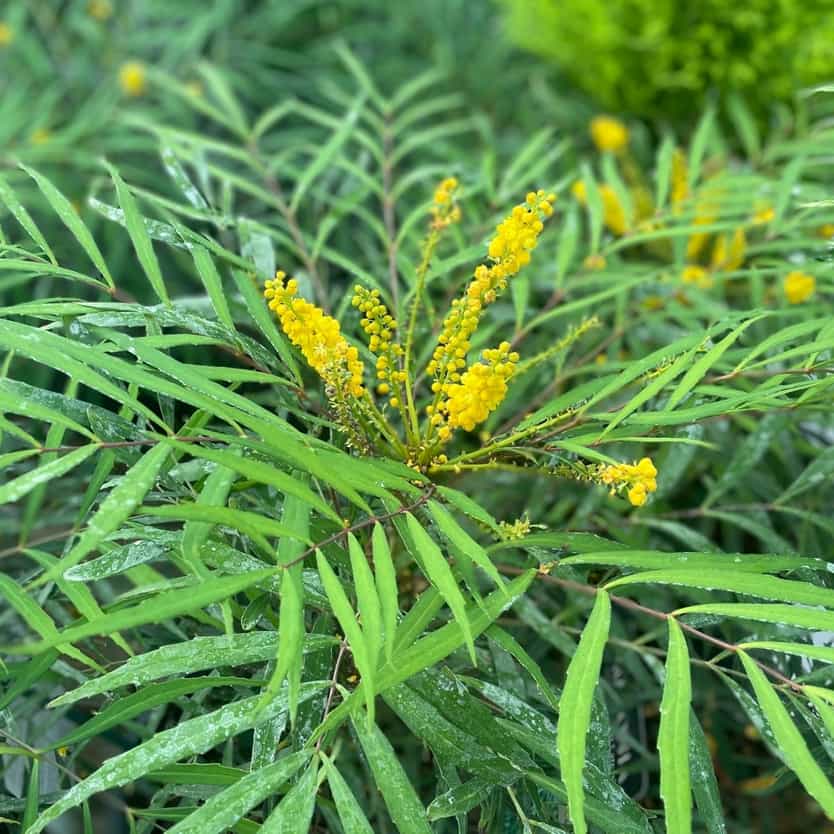
A fun fact about Mahonia Soft Caress is that it was named "Plant of the Year" at the RHS Chelsea Flower Show in 2013.
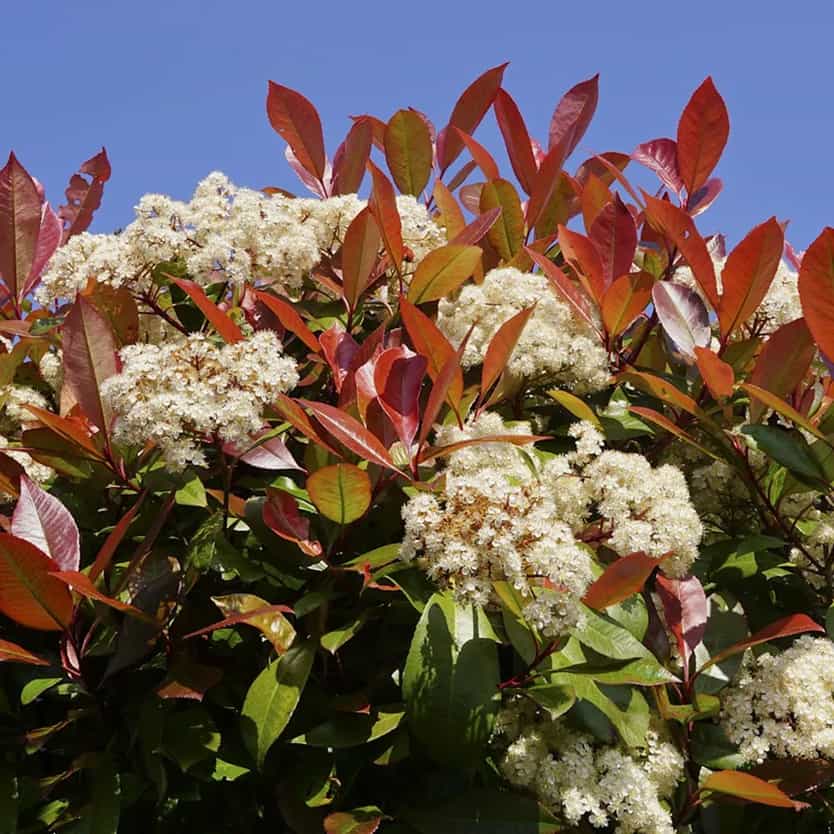
The name "Red Robin" is thought to come from the appearance of the new red leaves, resembling robins flying out of the tree. The red berries produced by this plant are a valuable food source for different types of birds.