
Study: Fashion and Generations Research in Italy
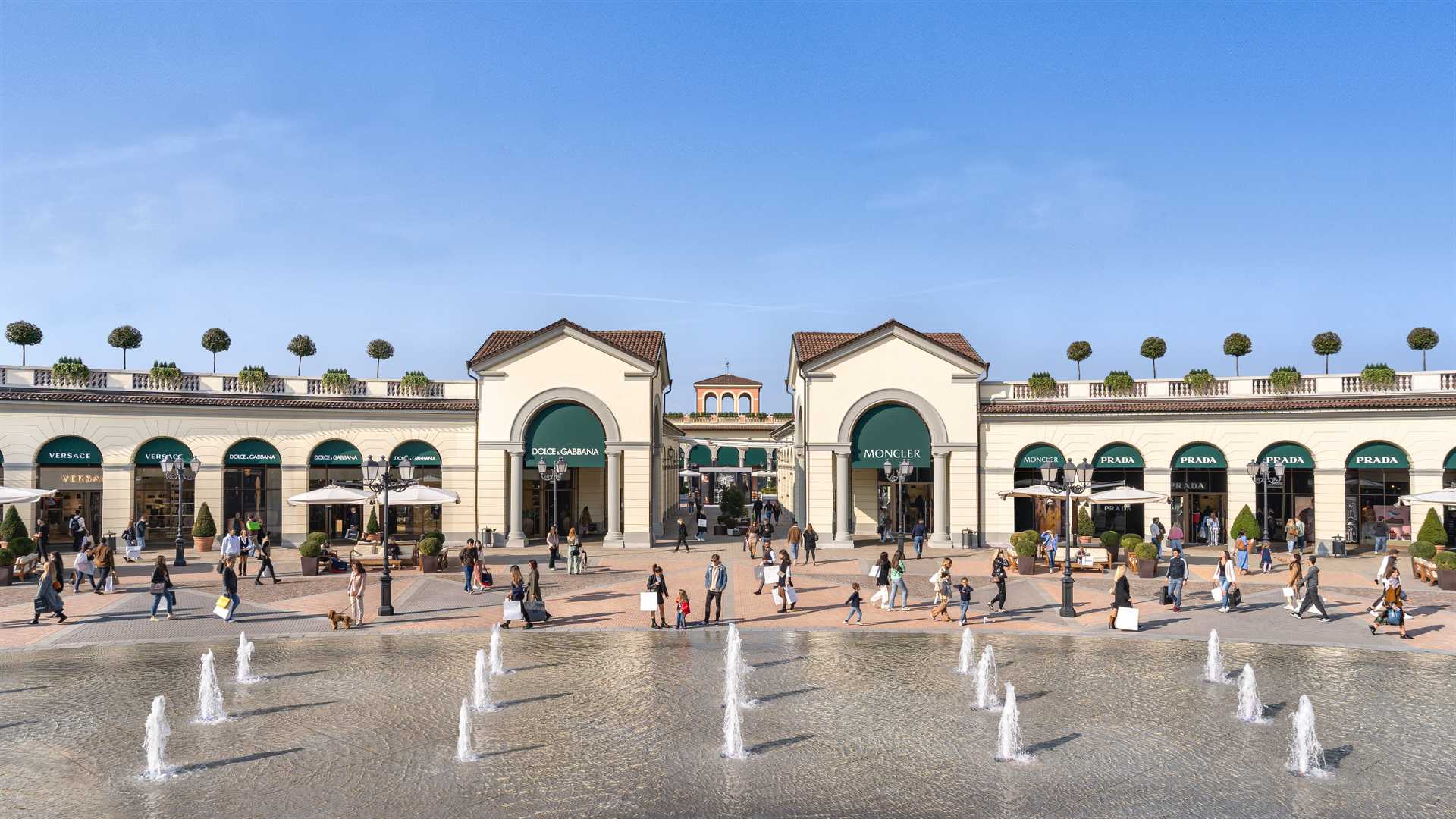
The second edition of McArthurGlen's Fashion & Generations Observatory collaboration with Italy’s premier market research company, BVA Doxa, explores how over-50s in Italy have reinvented their style and their relationship with fashion.
The research study, Re-Styler – Don’t Call Them Boomers, examines the habits, values and consumer behaviour of people aged 50–65, who today embody a mature, conscious and modern way of experiencing fashion.
The study, which marks the second edition of the Fashion & Generations Observatory, is part of a series of regular research initiatives conducted by McArthurGlen with an aim to offer a sharper and more insightful perspective on the social and consumer dynamics of its key customer segments.
Conducted on a sample of more than 500 individuals* between 50 and 65 years of age, the research examined the relationship between fashion, luxury and pop culture, outlining a fresh and dynamic consumer profile: the Re-Stylers, a generation that has never stopped reinventing itself, and that lives fashion according to its own rules.
Re-Stylers account for nearly half (46%) of visitors to McArthurGlen’s four centres in Italy, and are the age group with the highest average spend. Their presence has a significant impact on total annual revenue, contributing approximately 40%, while also playing a key role in shaping the centres’ offering and experience strategies. Re-Stylers experience Designer Outlets as places of social interaction, culture and well-being – true reference hubs.
Gaining an in-depth understanding of our visitors - of whom Re-Stylers are a fundamental part - not only in terms of fashion preferences but also the motivations that guide their choices, is essential in addressing an increasingly competitive market and a more aware and demanding customer base. These surveys represent a strategic tool for McArthurGlen in defining and updating business priorities.
A portrait of the Re-Stylers
The over-50 generation has successfully reinvented itself over time, building a personal and profound relationship with fashion. Re-Stylers see style as self-expression, a daily ritual and a bridge between past and future. It is a portrait far removed from stereotypes, describing a curious, mindful and authentic generation.
This consumer group has a deep-rooted and historical connection with fashion, while maintaining strong attention to contemporaneity and transformation. For many, style is a carefully curated expression of uniqueness: garments and accessories are not merely objects, but keepers of memories. Luxury translates into fabric quality, attention to detail and a naturally embraced sense of exclusivity.
Re-Stylers differ from younger generations in their purchasing behaviour: they carefully select their garments, placing fundamental importance on quality (44%), and often prefer physical stores (49%), where they value human interaction and where the sensory experience enhances and elevates the act of purchase. In Designer Outlets, Re-Stylers find a complete experience: value for money, a wide brand selection and the opportunity to enjoy a different kind of day, where shopping, culture and well-being intertwine.
Fashion as Self-Expression
For Re-Stylers, fashion goes far beyond aesthetics: it is a result of taste (52%), an expression of identity (41%) and a form of well-being (41%).
It offers a way to tell their story, to stay current and to take care of themselves. The wardrobe becomes an emotional space, where beloved garments coexist with new desires, and where choosing what to wear is an act of awareness. At the same time, 42% state they own more clothes than necessary - a higher figure than younger generations (22% of Gen Z and 31% of Millennials) - reflecting accumulation over time as the result of a personal and deeply rooted connection with their garments. However, one in three of those surveyed also reported a tendency toward decluttering, especially among women.
Ethics and Sustainability
Contrary to common stereotypes, Re-Stylers pay close attention to sustainability (55%) and ethical production (63%). Only 15% are willing to spend more to chase trends: what truly matters is quality, alongside growing interest in reuse, vintage and waste reduction.
Luxury, Nostalgia, Style
For the over-50s, luxury means quality (in fabrics and details, 55%), elegance (40%) and uniqueness (28%). It means a style that endures over time (36%) and tells a story.
Respondents said that references to the 1970s, 1980s and 1990s evoke positive emotions (49%) and serve as a source of inspiration. While aware that these are often marketing strategies (44%), they appreciate fashion’s ability to become a generational bridge (54%), a creative game and an opportunity to express personal passions (31%), without an ability to play with irony and lightness (41%).
Communication Between the Physical and the Digital
Although present on social media, Re-Stylers draw inspiration primarily from shop windows (53%), followed by brand websites, advertising and magazines (each cited by approximately 16%). Instagram and Facebook are the most inspiring platforms (41%), though less central than for younger generations.
Over-50s follow brand digital content with interest, but also with a critical mindset. Similarly, influencer campaigns and pop-cultural language such as memes can generate mixed reactions: appreciated when well executed, yet sometimes perceived as distant or exclusionary.
The Four Faces of Re-Stylers
Our research clearly shows that there is no single way of experiencing fashion after 50. Instead, four distinct profiles emerge, each reflecting a different approach to fashion, consumption and the relationship with the past.
- Neo-Classics (33%): they experience fashion as a pleasure and an expression of personal culture. They value quality and detail, finding in fashion a deep connection with the past. They reinterpret historical and nostalgic influences to build a personal, elegant, yet never rigid style, where each garment tells an authentic story.
- Social-Pop (35%): they see fashion as play and contemporary language. Curious, dynamic and open to novelty, they move naturally between social networks and trends. They approach the past with irony and lightness: retro collections entertain them and become inspiration for reinterpreting the present.
- Ethical (17%): for them, fashion is a conscious and responsible choice. Guided by sustainability values and attention to materials, they prioritise authenticity and consistency. They are sceptical of nostalgic references, often perceived as marketing operations rather than genuine values.
- Minimalists (15%): essential and pragmatic, they reduce fashion to its primary function: dressing well without excess. They buy only what is necessary, choosing based on utility, comfort and durability. Their relationship with fashion is detached, yet reflects a deep sense of balance and moderation.
Aware, curious and discerning, Re-Stylers do not chase trends, but choose what truly represents them. For them, style is a way to feel good about themselves and about the world. For brands, they represent a strategic target: loyal, with high purchasing power, and seeking authentic experiences aligned with their values.
* The research included 517 CAWI interviews (via BVA Doxa panel) on a sample representative of the online population aged 50–65. An additional 566 interviews were conducted in Lombardy/Piedmont, Veneto, Lazio and Campania to ensure a robust regional analysis.