Biodiversity discover at #CastelRomanoOutlet

We have designed the walkways of Castel Romano Designer Outlet as natural micro-environments, where vegetation grows abundantly and helps create a harmonious landscape. As you stroll through, you can observe and experience the variety of plant species, surrounded by scents and colors that make your visit a unique sensory experience.

Plants

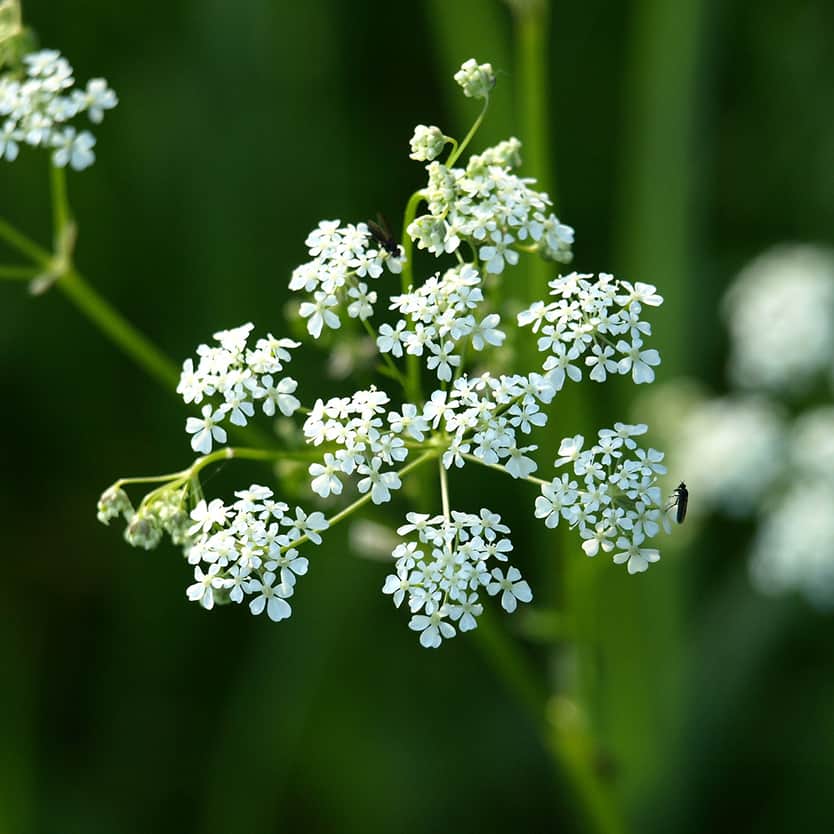
  • Achillea

    The Achillea Millefolium (yarrow) is a perennial herbaceous plant belonging to the Asteraceae family, known for its healing and hemostatic properties. This plant is characterized by flower heads grouped in corymbs and can reach a height ranging from 7 centimeters to 1 meter. It is used in herbal medicine to treat digestive disorders, menstrual pain, and to promote wound healing. Additionally, yarrow is considered a magical plant, believed to offer protection and attract love.
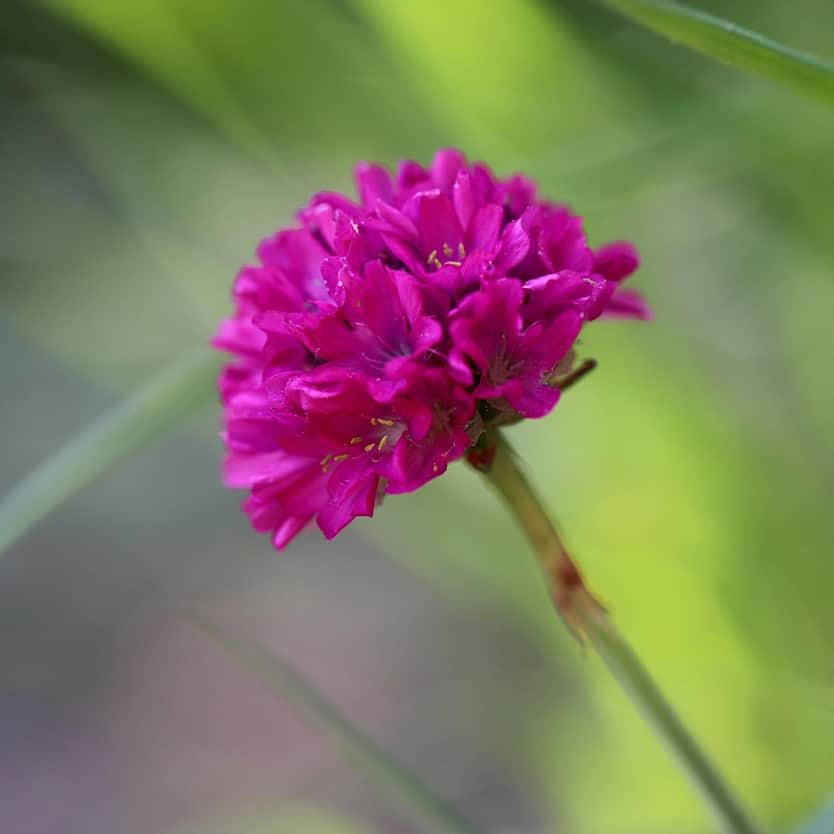
  • Alpinia Alpina

    Alpinia Aplina is a perennial herbaceous plant of the family Zingiberaceae, native to the tropical regions of Asia and Oceania. This plant is valued for its lush appearance, elegant leaves, and spectacular blooms. It has pseudostems and alternate, simple leaves ranging from lanceolate to oblong-lanceolate in shape, with a pointed apex and margins covered in short hairs. The leaves are 30–65 cm long and 5–12 cm wide, leathery in texture, and bright green in color.

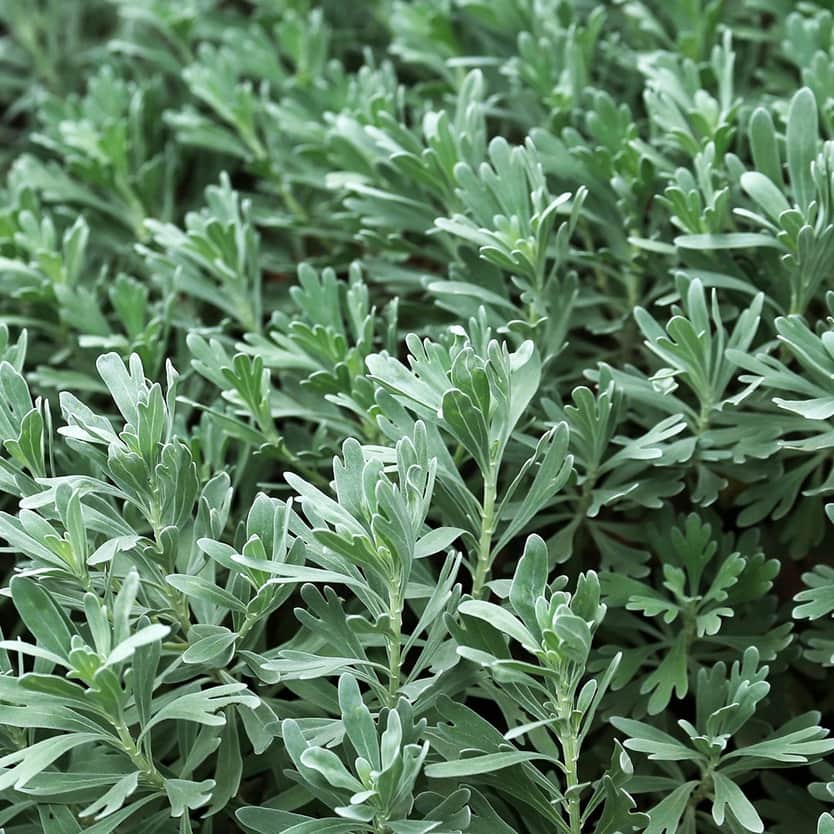
  • Artemisia

    Artemisia is a perennial herbaceous plant with medicinal properties used in phytotherapy and cooking belonging to the family Asteraceae Artemisia is known for its tonic sedative and digestive properties It is used in herbal medicine to soothe coughs and relieve stomach pain and to treat insomnia and anxiety thanks to its sedative effects It can be taken in the form of herbal tea extract or mother tincture The herbal tea is prepared by boiling dried leaves in water.

  • Begonia

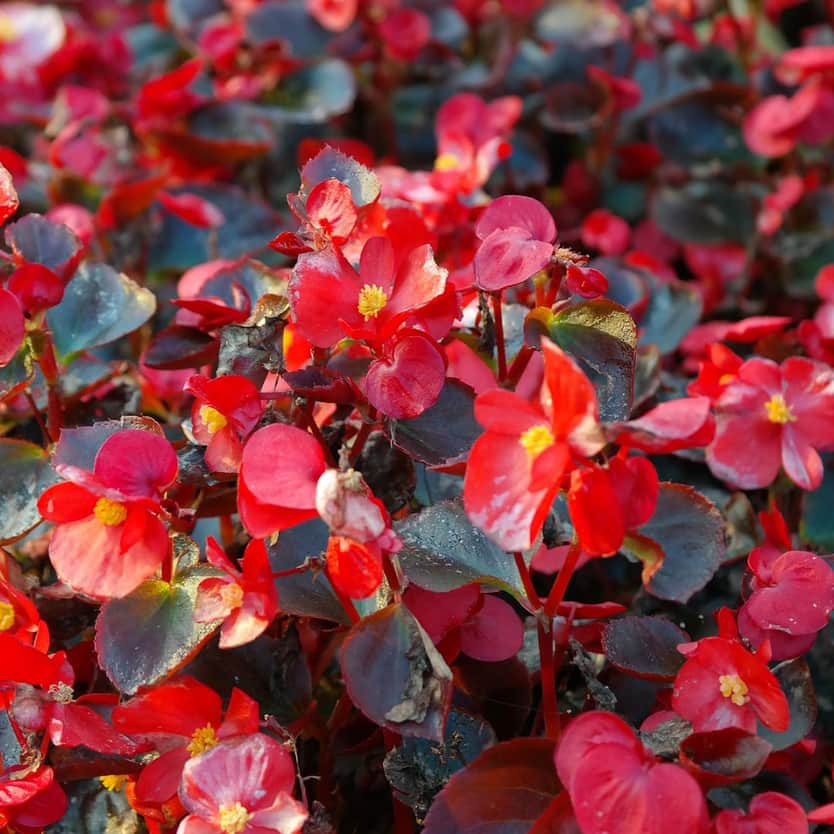
    Begonia is a genus of plants of tropical origin that includes about 1,900 species and many cultivars These plants are generally perennial and can be grown both in pots and in gardens as ornamental plants for the beauty of their flowers and leaves Begonias can reach a height ranging from 30 to 50 centimeters and are available in different varieties such as Begonia semperflorens which produces four-petaled flowers Their cultivation is simple and flowering lasts for a long period.

  • Bulbina

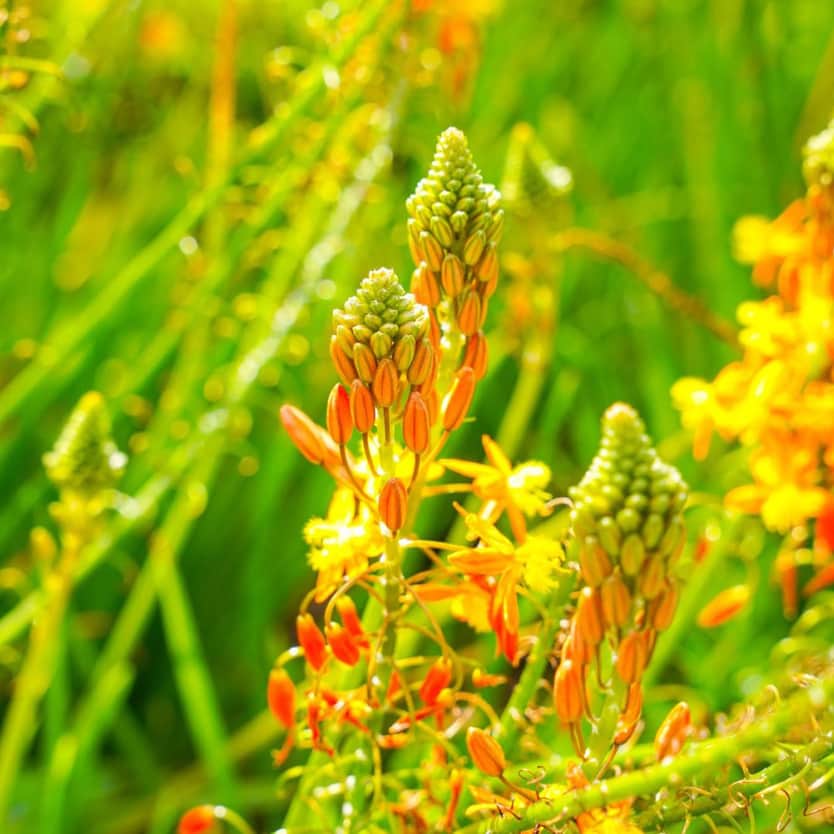
    Bulbina is a succulent plant native to South Africa, known for its exceptional resilience and the beauty of its flowers throughout the blooming season. Its leaves are long, fleshy, and light green in colour, forming dense clumps. It flowers from spring until autumn, producing tall and slender flower spikes in shades of yellow or orange. Bulbina is drought resistant and adapts well to different soil types, making it an ideal choice for small gardens.

  • Cistus

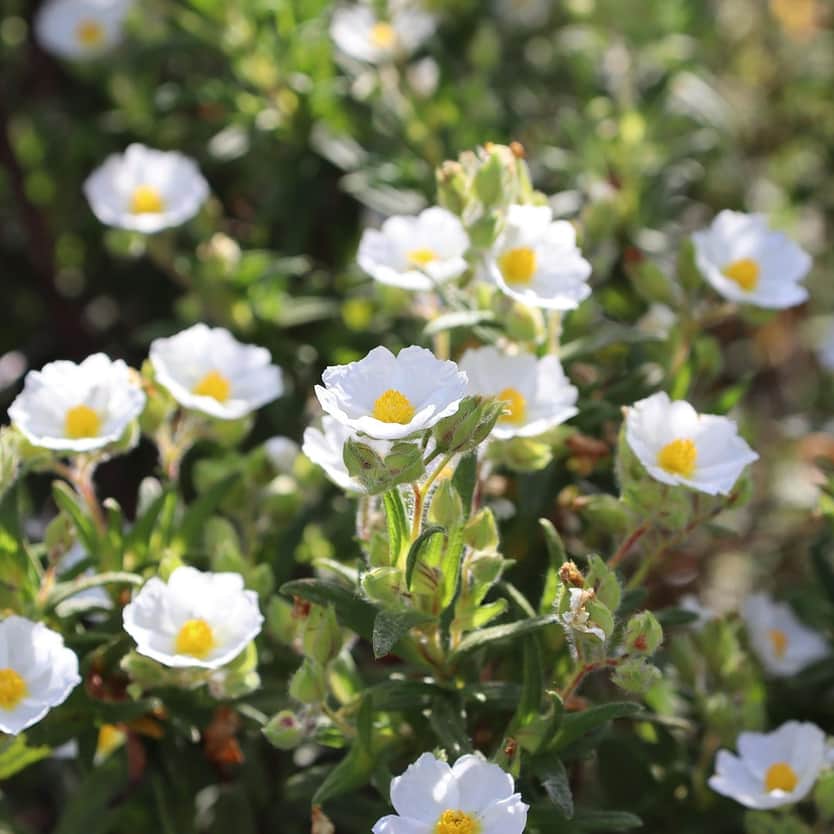
    Cistus, belonging to the Cistaceae family, is a genus of small evergreen shrubs comprising around twenty main species. The leaves are opposite, simple, and often aromatic, generally oval or lance-shaped, and may be slightly hairy or sticky. The flowers, similar to those of the wild rose, have 3–5 petals and colours ranging from white to pink, purple, or vivid fuchsia red, sometimes with two-tone shades, and bloom from April until early summer. Each blossom lasts approximately 24 hours, but the overall flowering period is abundant and continuous.

  • Convolvus

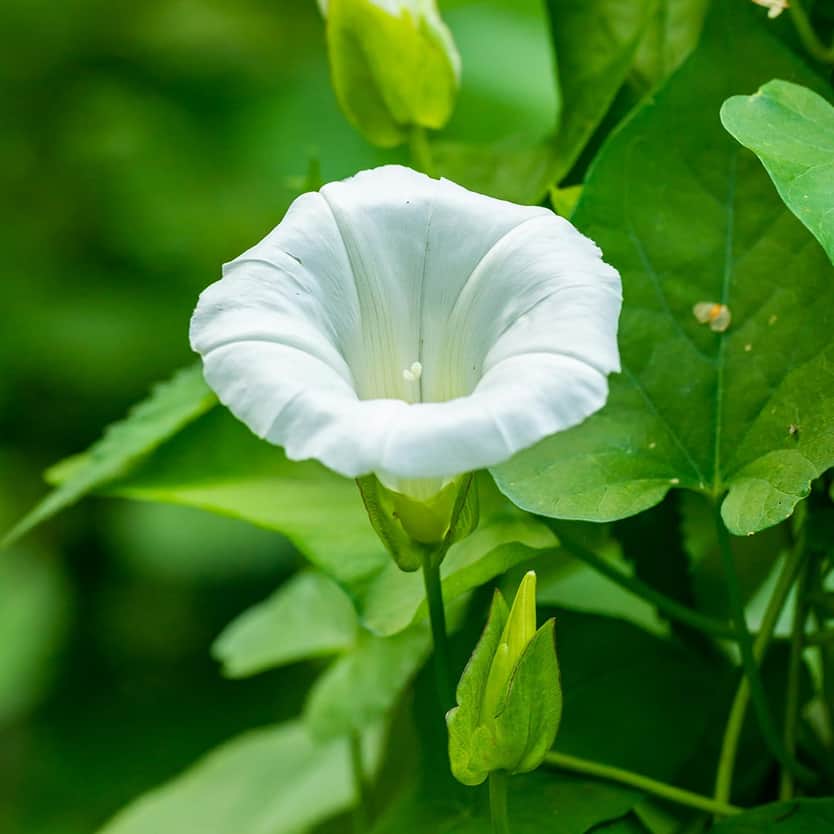
    Convolvulus, also known as field bindweed (Convolvulus arvensis), is a climbing plant belonging to the Convolvulaceae family. It is a perennial herbaceous species with either climbing or creeping growth habits and may reach lengths between 0.5 and 2 metres. It develops branched stems and lance-shaped leaves, with trumpet-shaped flowers that bloom from spring until late summer.

  • Crassula Tillea

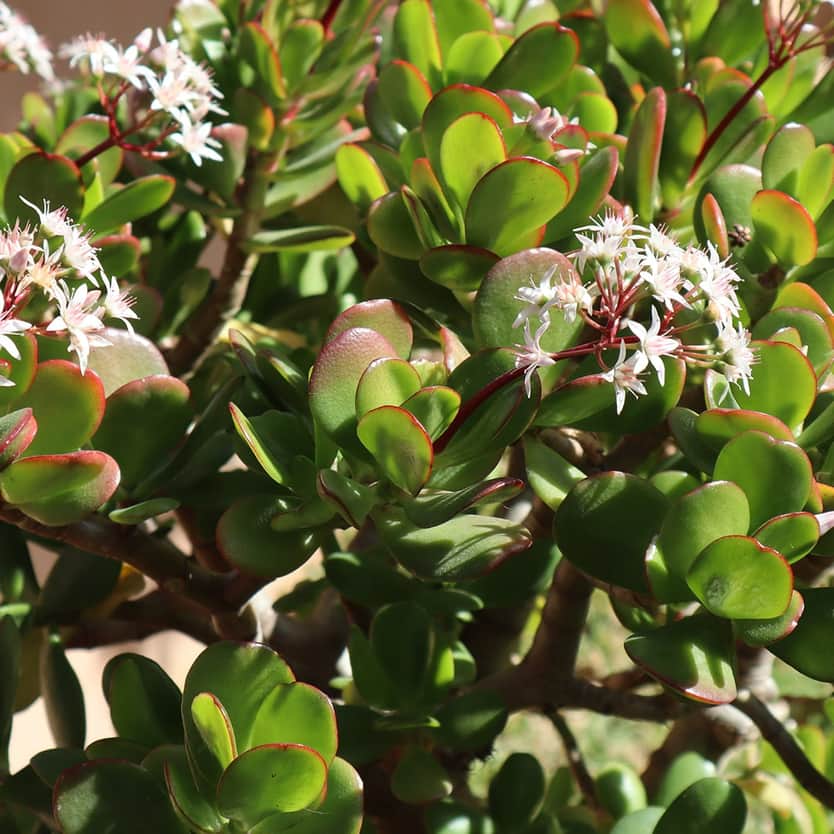
  • Dodonea

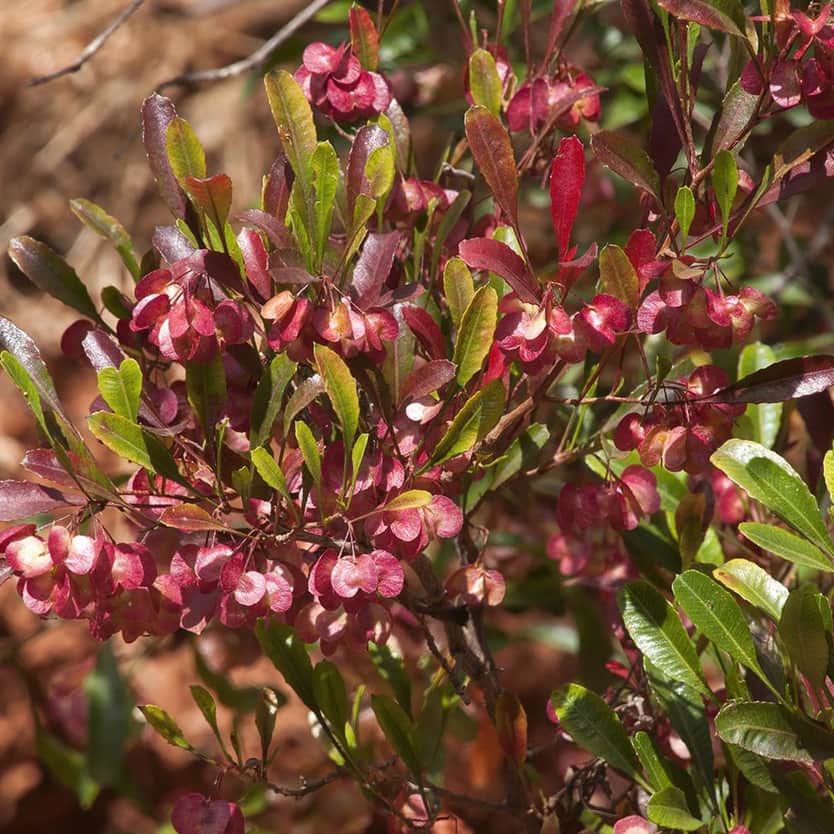
    Dodonaea viscosa is an evergreen shrub belonging to the Sapindaceae family, native to Australia and widespread in tropical and subtropical regions. It reaches a height of between 2 and 4 metres and features glossy, narrow leaves that may change colour over time, turning reddish during winter. In spring, it produces small yellow-red flowers followed by red or purple seed capsules that remain on the plant for approximately 4–6 months.

  • Eleagnus

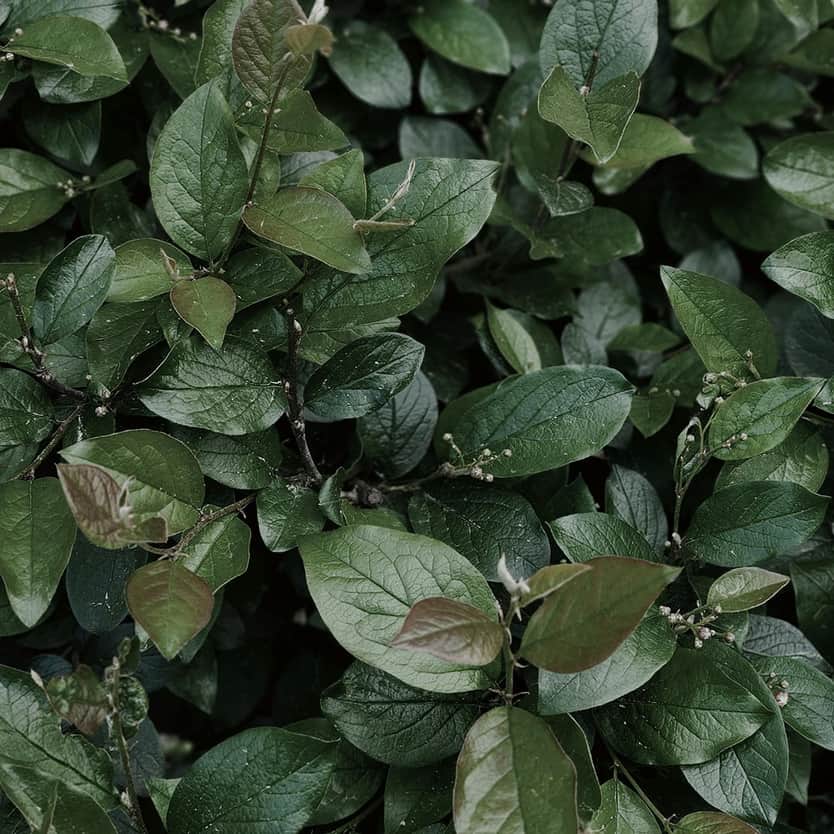
    Eleagnus, also known as oleaster, is an evergreen or deciduous shrub or tree species that is hardy and widely used either alone or together with other shrubs and herbaceous plants to create mixed hedges. Eleagnus tolerates cold climates, hot conditions, salty environments, and windy locations particularly well, making it suitable as an effective windbreak. Oleaster is a robust and highly adaptable species that requires very little maintenance. It features lance-shaped leaves, either smooth or lightly hairy, in dark green or silvery shades and, depending on the species, may also produce small flowers and fruits of varying colours.

  • Eremophila Nivea

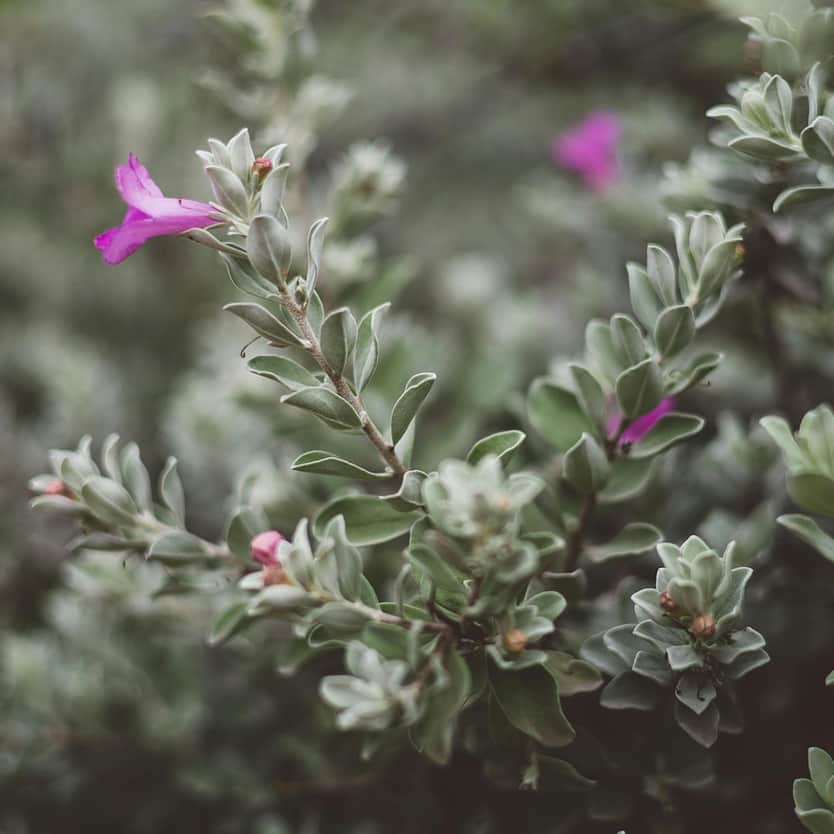
    Eremophila nivea is a white-silver ornamental shrub known for its pleasantly scented foliage and its ability to thrive in dry conditions. This plant originates from south-western Australia and adapts particularly well to sunny and well-ventilated locations. Its flowers resemble snapdragons and bloom during spring, sometimes followed by small egg-shaped fruits.

  • Festuca

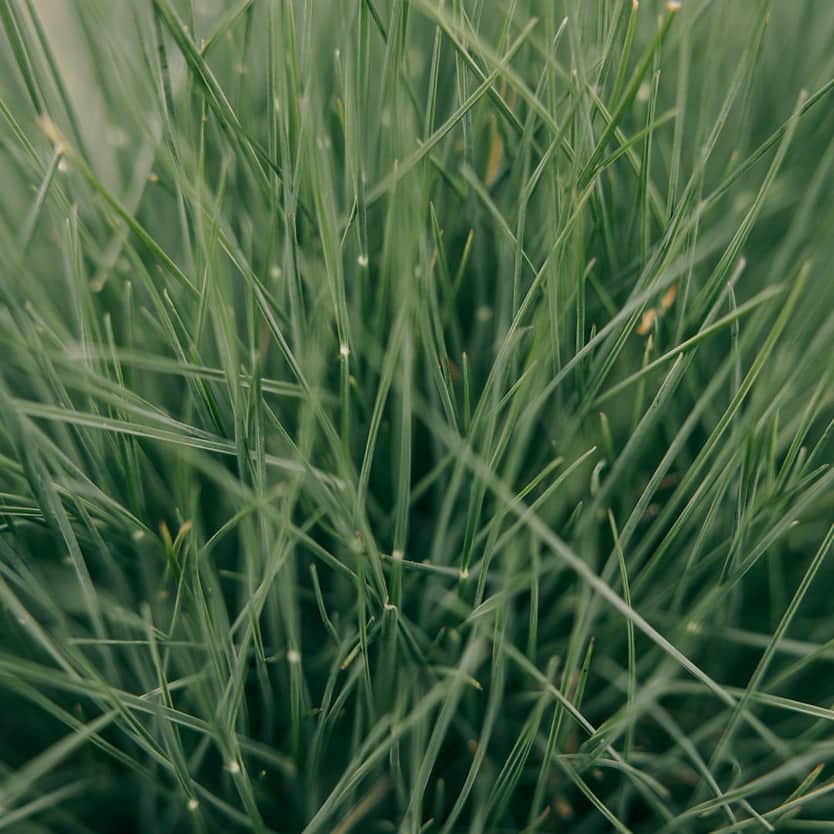
    Festuca is a genus comprising more than 600 species of herbaceous plants, commonly known as fescues. These plants are distributed worldwide and adapt to a wide range of soil types and climatic conditions. They are characterised by narrow, lance-shaped leaves, spike-like flowers, and fibrous root systems, making them highly versatile both for ornamental landscaping and grazing purposes.

  • Gazania

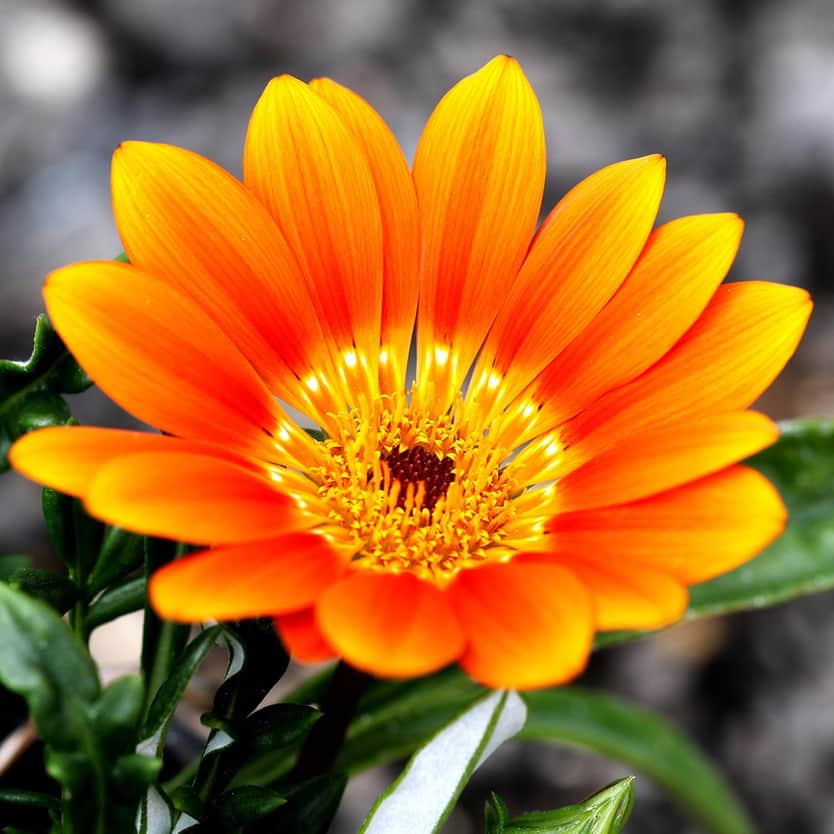
    Gazania is a perennial ornamental plant native to southern Africa, appreciated for its colourful flowers and excellent drought resistance. It belongs to the Asteraceae family and includes approximately 40 different species. Gazania develops fleshy herbaceous stems and generally reaches a height of between 15 and 30 cm.

  • Helichrysum Italicum

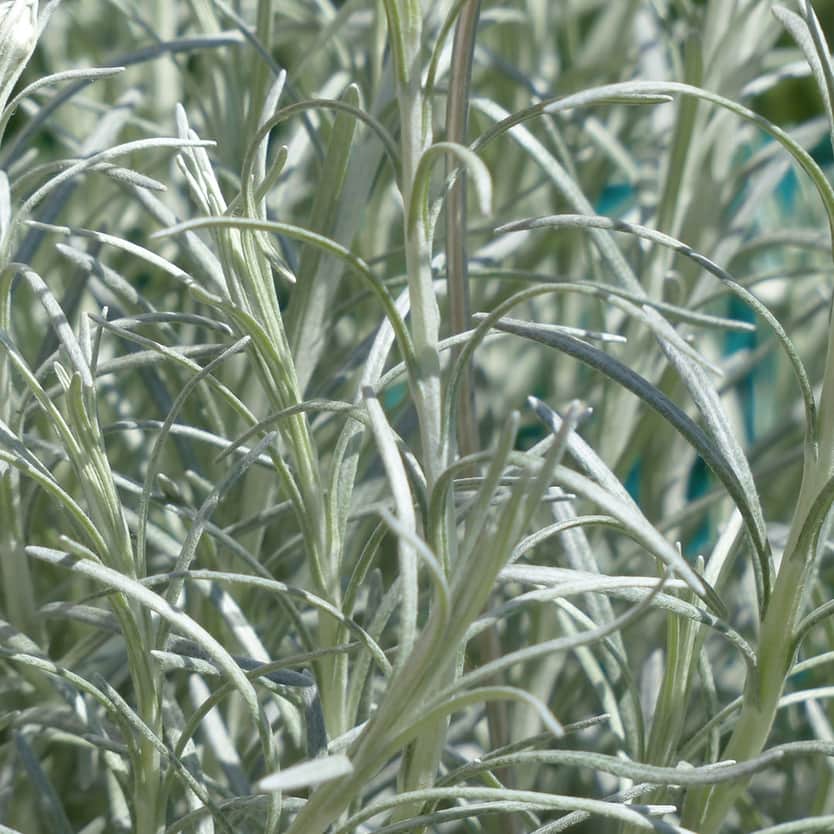
    Helichrysum italicum, commonly known as Italian everlasting or curry plant, is an aromatic species belonging to the Asteraceae family. It is a small evergreen shrub with thin, branched stems that naturally grows in Mediterranean environments such as the Italian, Greek, and Spanish coasts. Its leaves are narrow, linear, and silver-grey in colour, releasing a distinctive fragrance similar to curry. During summer, it produces bright yellow inflorescences composed of small “everlasting” flowers.

  • Helichrysum Orentale

    Small golden-yellow flowers are grouped into flower heads that form corymb-like inflorescences. The leaves are narrow, lance-shaped, and silver in colour, giving the plant an elegant and distinctive appearance. It is drought resistant and prefers well-drained soils and sunny positions.

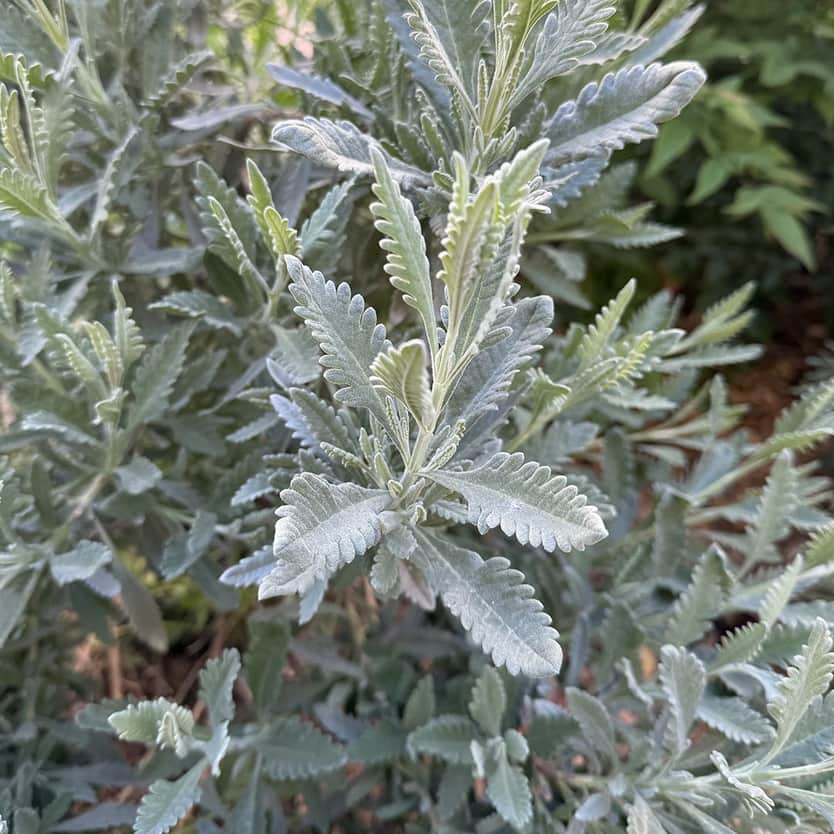
  • Lavandula dentata

    Lavandula dentata, also known as fringed lavender or French lavender, is a hardy perennial plant appreciated for its aromatic and ornamental qualities. Resistant to both summer heat and winter cold, it prefers sunny and well-ventilated locations. It adapts particularly well to Mediterranean climates and naturally grows in dry and rocky soils.

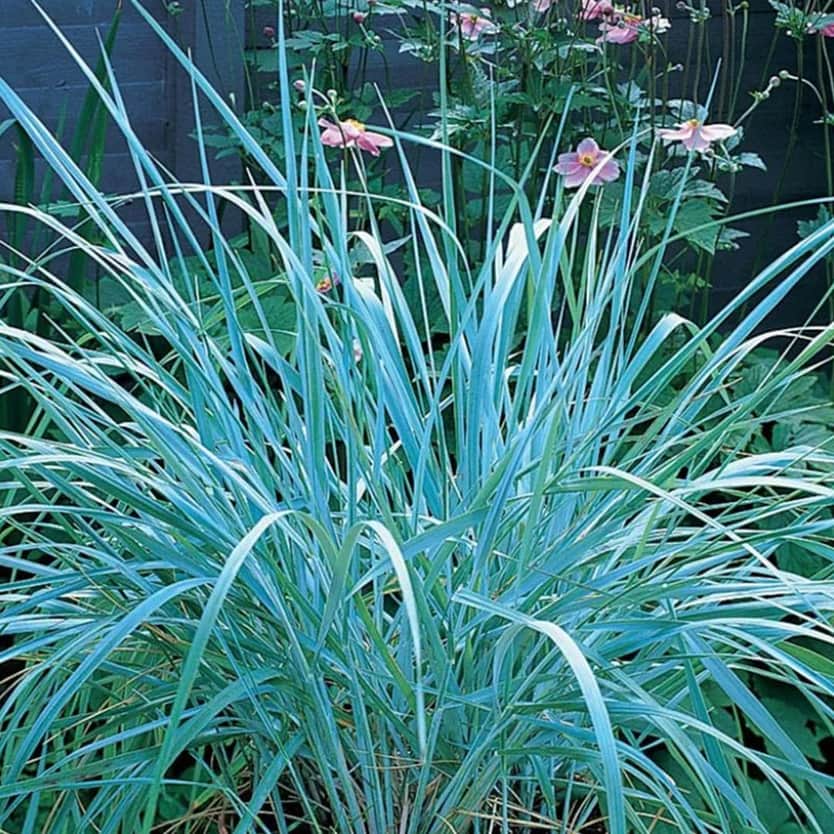
  • Leymus arenarius

    Leymus arenarius, also known as Blue Dune grass, is a perennial ornamental grass distinguished by its bluish foliage that stands out beautifully in the landscape. Height: it generally reaches between 60 and 90 cm and produces blue-grey flower spikes that gradually turn light beige. It is a vigorous grass that spreads through rhizomes, making it an attractive decorative addition for gardens and terraces. It prefers sunny positions and well-drained soils while also tolerating drought conditions.

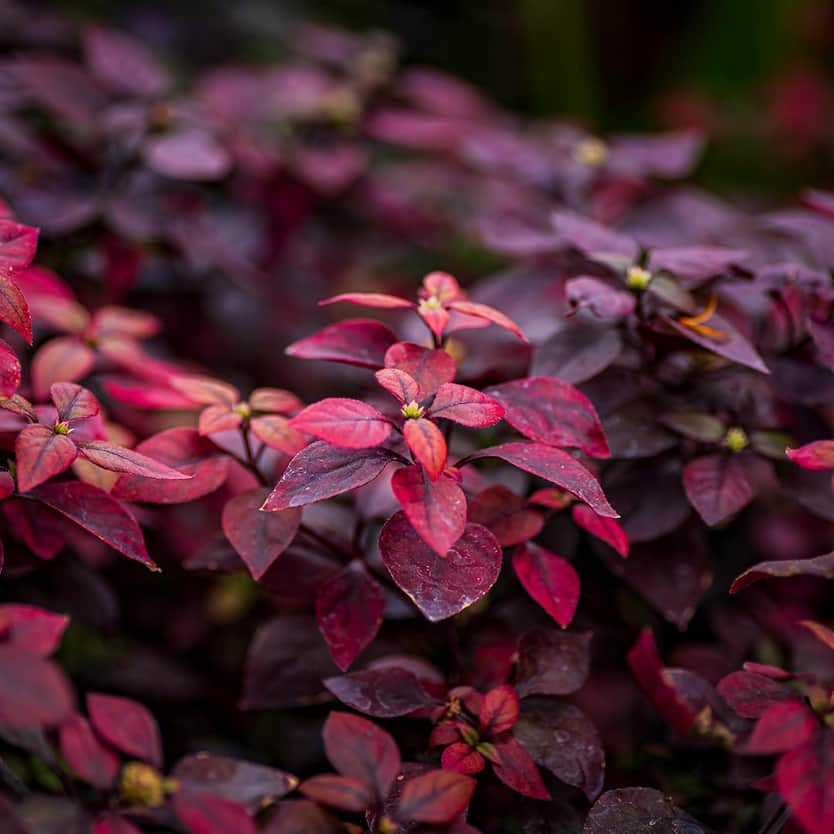
  • Loropetalum

    Loropetalum is a shrub that retains its leaves throughout the year, providing shelter and nourishment for wildlife even during colder months. Vibrant and elegant, it is recognised for its soft, lightly scented flowers that bloom in spring in shades of pink, red, or white. Its presence supports biodiversity by providing habitats and resources for insects, birds, and small animals within the environment. With its evergreen foliage and colourful blooms, it brings beauty and refinement to borders and planted areas.

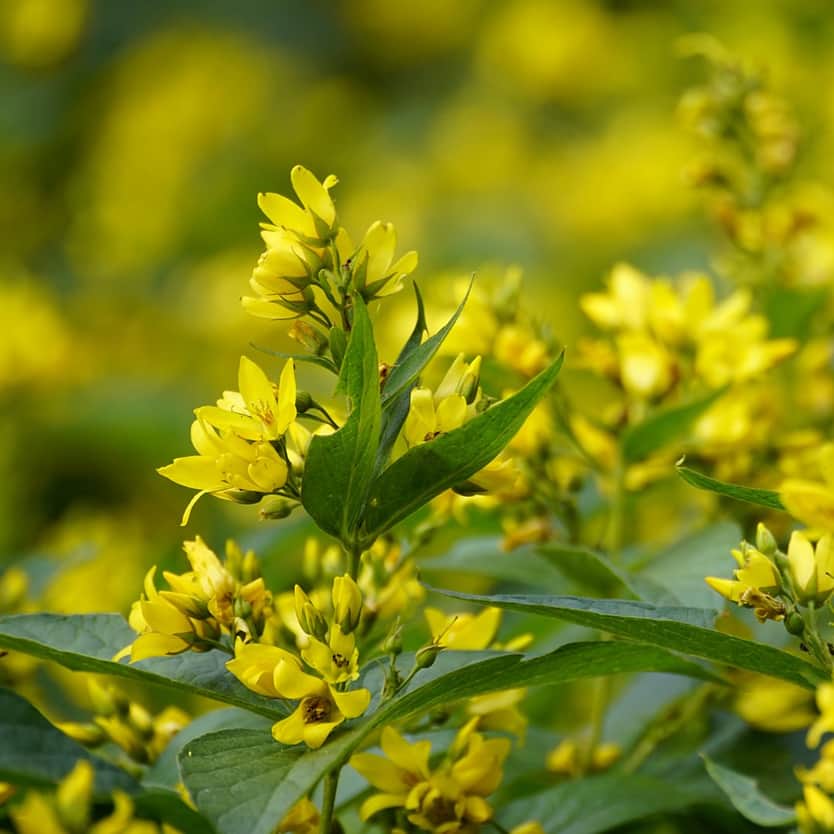
  • Lysimachia nummularia

    Lysimachia nummularia is a perennial marsh plant native to Europe and Asia and belongs to the Primulaceae family. Characteristics: it has rounded green leaves and creeping stems and reaches a height of approximately 3–5 cm. During summer it produces yellow flowers that bloom between May and July. It is easy to cultivate in aquatic environments, requiring mainly good light exposure and moist soil. It adapts very well to ponds, water gardens, and damp borders, creating attractive green carpets. It can be grown in permanently moist areas or in periodically flooded locations and tolerates temperatures down to –35°C. It is highly appreciated for its ability to create orderly natural ground cover, making it ideal for water gardens and naturalistic landscape designs.

  • Myrtle

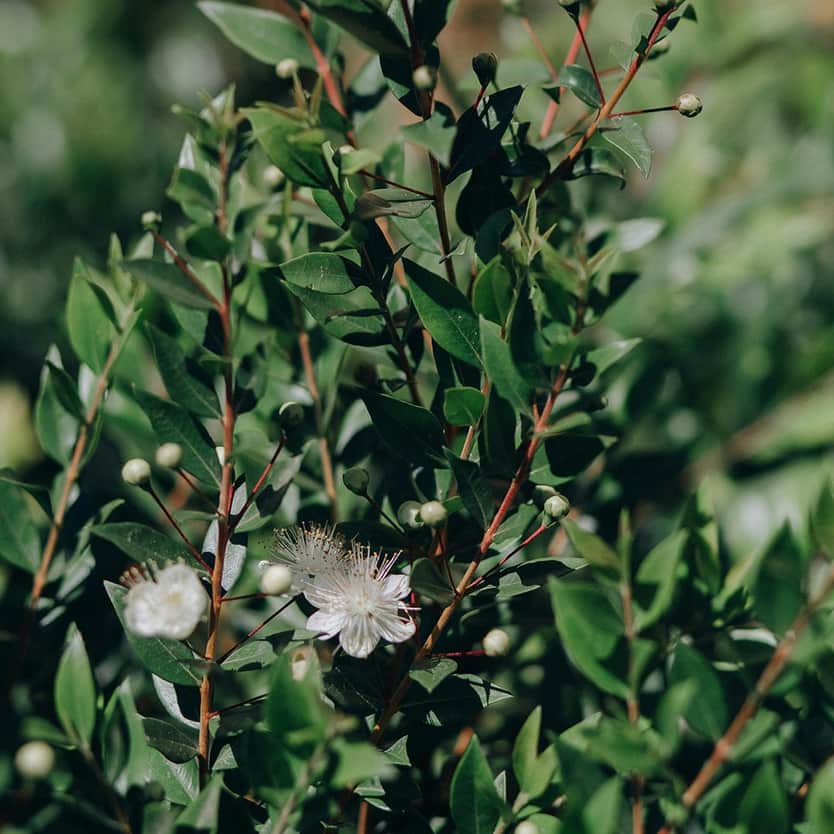
    Myrtle (Myrtus communis), also known as Mortella, is an evergreen shrub belonging to the Myrtaceae family and is characteristic of Mediterranean scrubland. It is widely distributed along the Italian coastline, especially in Sardinia and Sicily. It can grow up to 2–3 metres in height, developing either a bushy habit or, in some cases, a tree-like form. The leaves are small, lance-shaped, glossy, and aromatic. White flowers bloom during spring and summer and are followed by blue-violet or nearly black berries that are highly appreciated by birds and pollinating insects. There is also a less common white myrtle variety, which produces pale berries and has a more delicate flavour.

  • Nandina

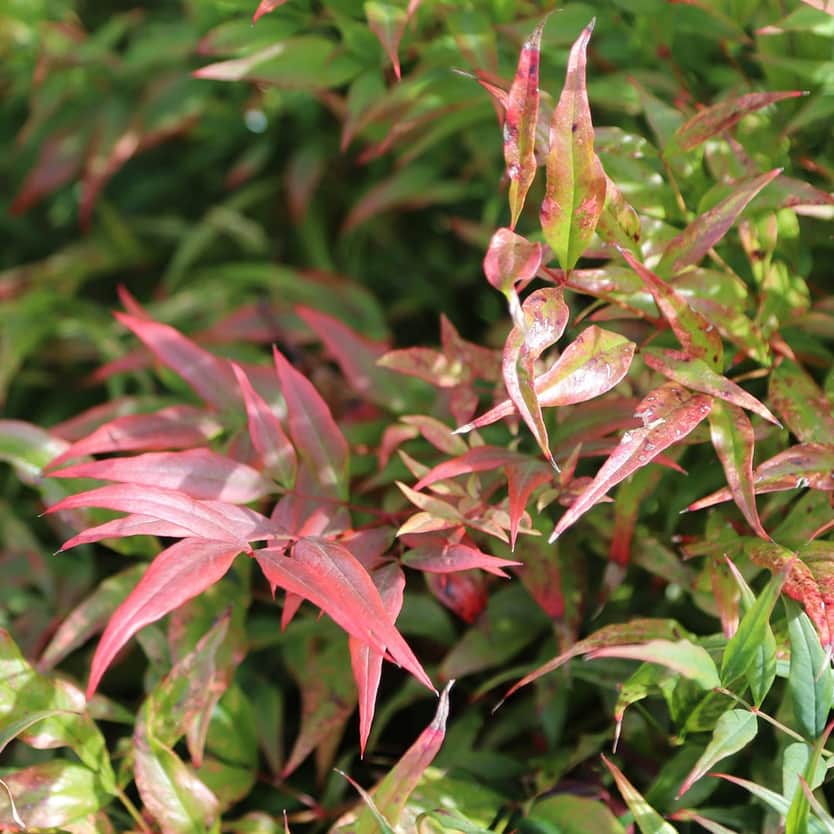
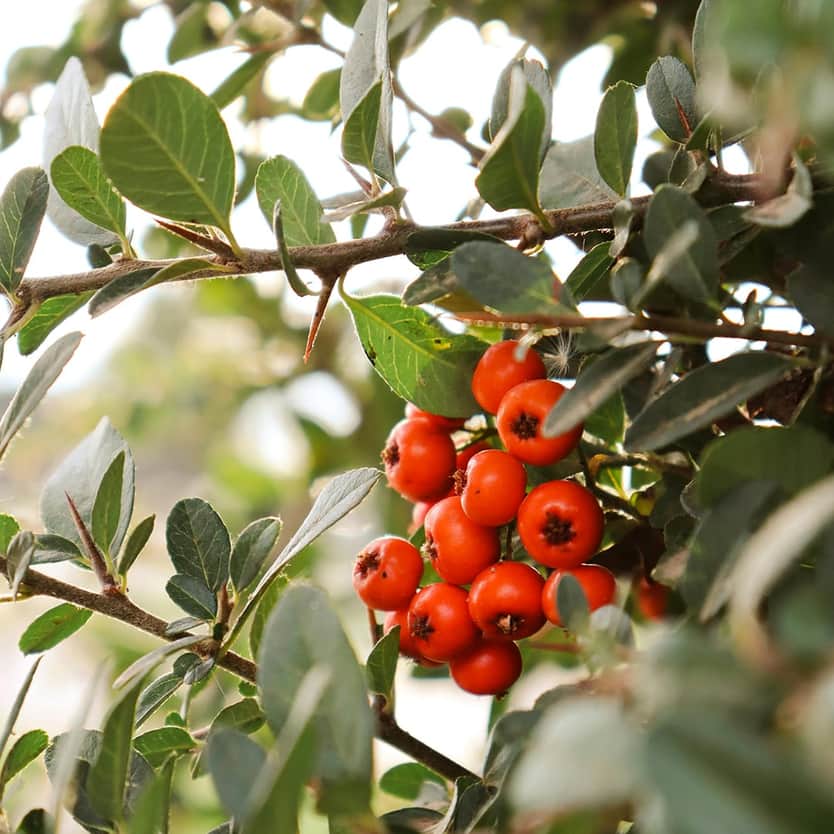
    Nandina is a compact shrub with glossy, colourful foliage that changes from green to bright red, especially during autumn and winter. It is appreciated for its hardiness, ease of cultivation, and its ability to create beautiful colour contrasts in green spaces. This small shrub adds charm and vibrancy to gardens with its colourful leaves and clusters of red berries. It is easy to care for and maintains its changing ornamental appeal throughout the year.

  • Phillyrea

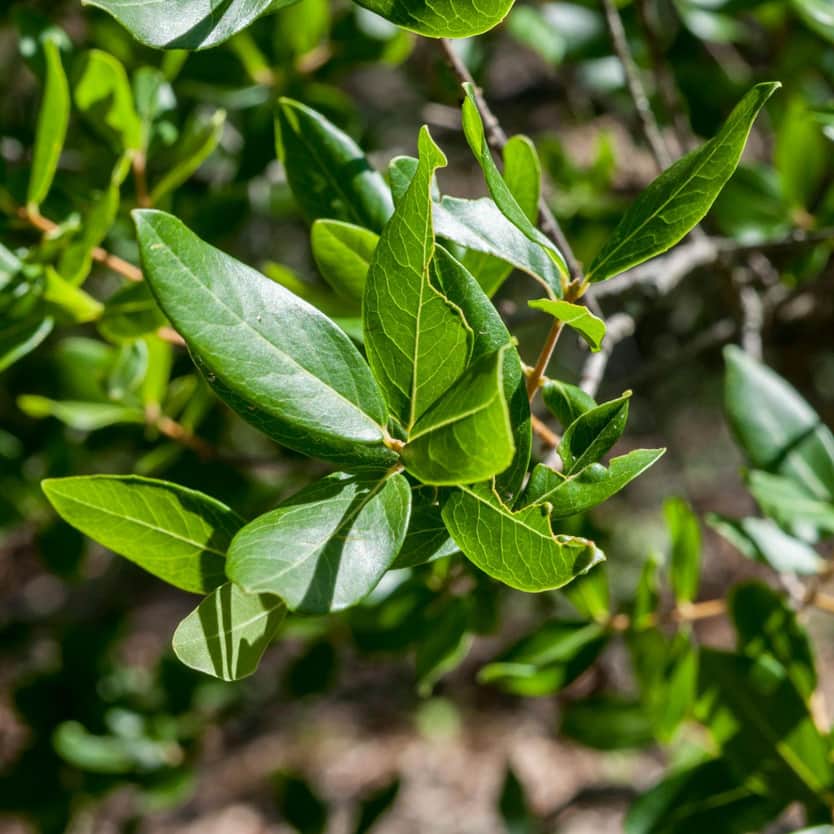
    Phillyrea is an evergreen shrub native to Mediterranean scrubland. It grows between 1 and 5 metres in height and develops an irregular trunk with grey-reddish bark that cracks with age. It features long and narrow dark green leaves that give an elegant appearance to the landscape. This plant thrives in fertile, well-drained soils and requires good sun exposure for healthy growth. It produces small white unisexual flowers followed by bluish-black drupes when fully mature.

  • Phlomis fruticosa

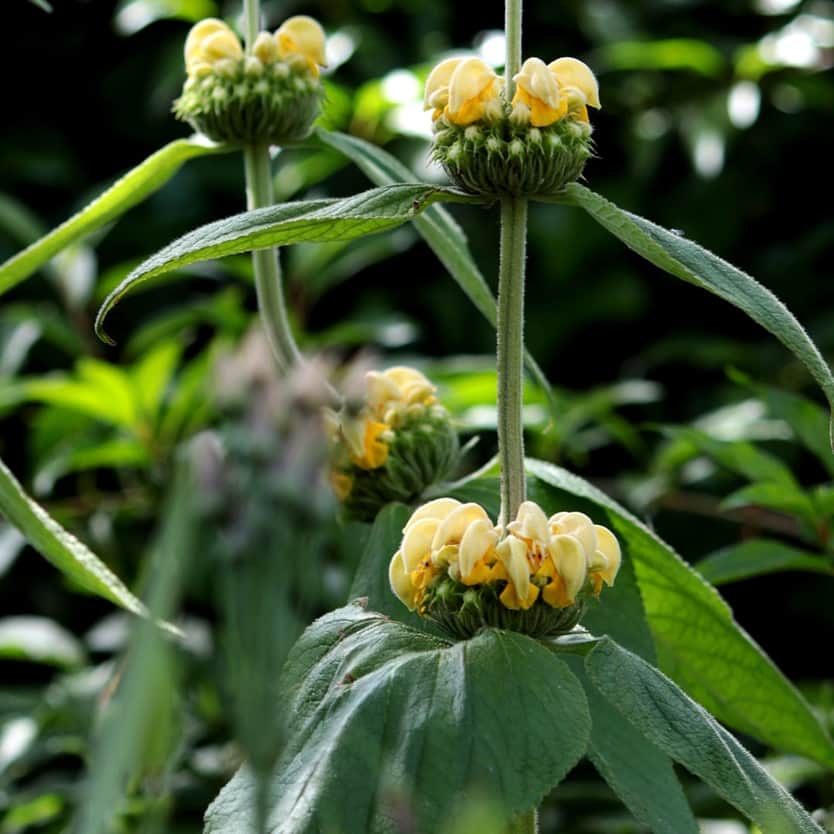
    Phlomis fruticosa is an evergreen Mediterranean shrub that is highly drought resistant and valued for its ornamental yellow flowers and soft, velvety foliage. Also known as Jerusalem Sage, Hare’s Ear, or Candlestick Plant, it belongs to the Lamiaceae family. It reaches approximately 1–1.2 metres in height and 1–1.5 metres in width, developing a rounded and gently spreading shape. Its leaves are grey-green, velvety, and aromatic, with a textured surface and fine hairs that help limit water loss. The bright yellow flowers are tubular or two-lipped and appear in whorls along the stems from June to August, attracting bees and other pollinating insects.

  • Pistacia lentiscus

    The mastic tree (Pistacia lentiscus) is an evergreen shrub belonging to the Anacardiaceae family, characterised by a bush-like growth habit and only rarely developing into a tree form, usually reaching heights of 1–3 metres. The canopy is dense due to abundant branching, has a rounded shape, and releases a strong resinous scent. The leaves are alternate and even-pinnate, composed of 6–10 oval-elliptical leaflets of deep green colour, with smooth margins and rounded tips. The flowers are small and reddish, grouped into cylindrical panicle-like clusters, while the fruit is a spherical or oval drupe that changes from red to black during ripening.

  • Rosemary

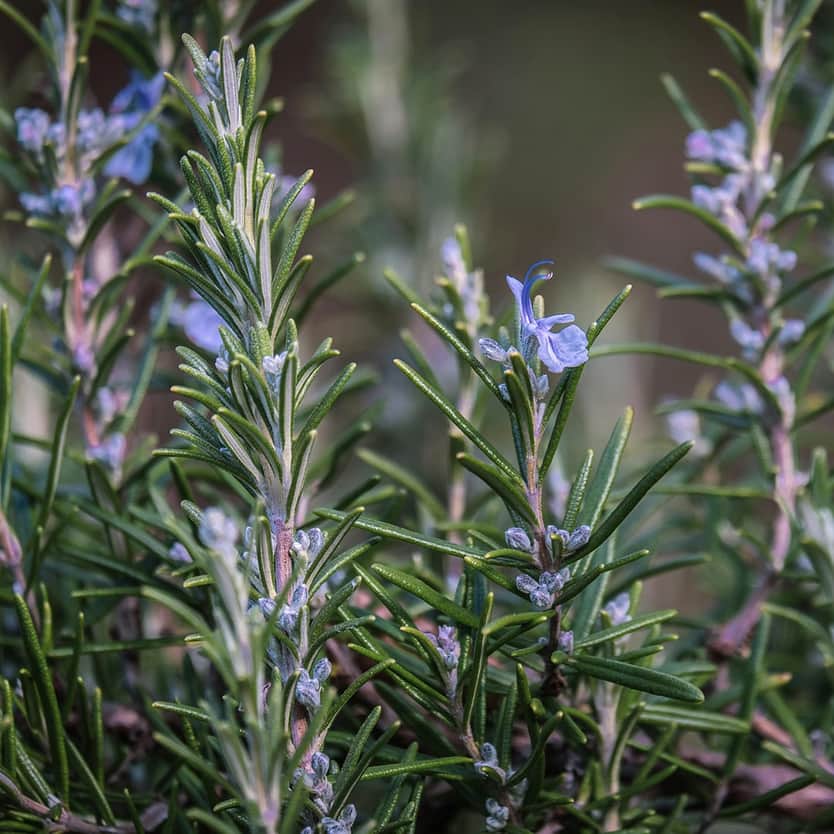
    Rosemary (Rosmarinus officinalis) is an evergreen Mediterranean shrub that is aromatic, resilient, and ideal for gardens, balconies, or containers, with fragrant leaves and edible flowers. It is one of the most traditional herbs used in classic cuisine. Whether grown in a pot or in a vegetable garden, rosemary is a plant that should always be within easy reach of any kitchen. It is extremely hardy and therefore very easy to cultivate. Rosemary belongs to the Lamiaceae family, just like basil and sage

  • Sage

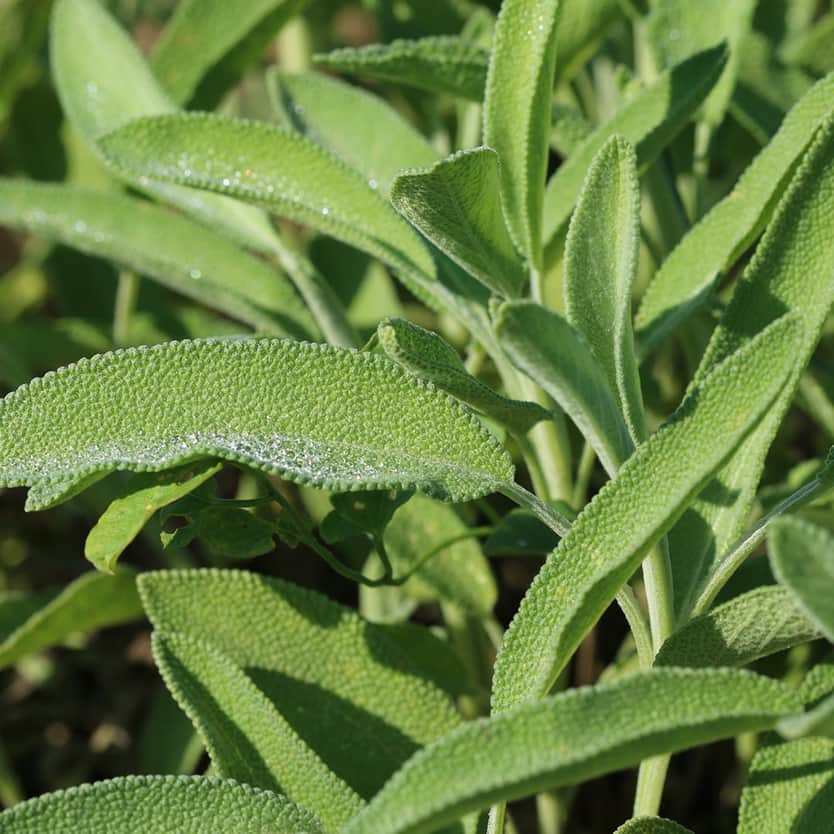
    Sage is an evergreen plant belonging to the Lamiaceae family. Its oval, velvety leaves have an intense fragrance and a grey-green colour. During summer, the plant produces flowering spikes with small blossoms in shades of purple or lilac. There are several varieties of sage, each with unique characteristics, including white sage, purple sage, and pineapple sage, which differ in both colour and fragrance.

  • Santolina

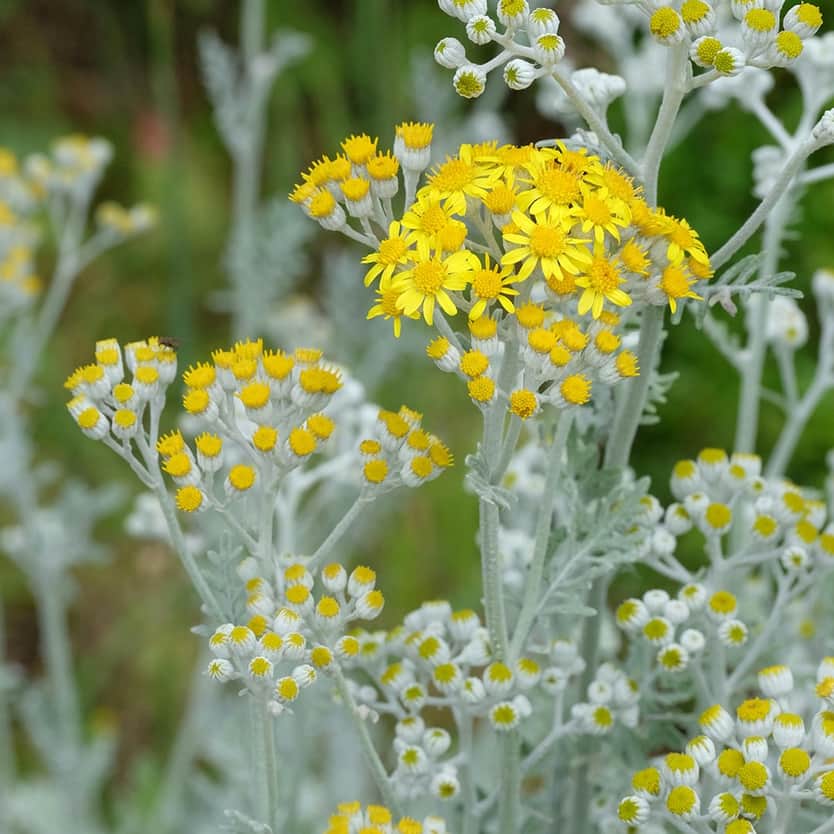
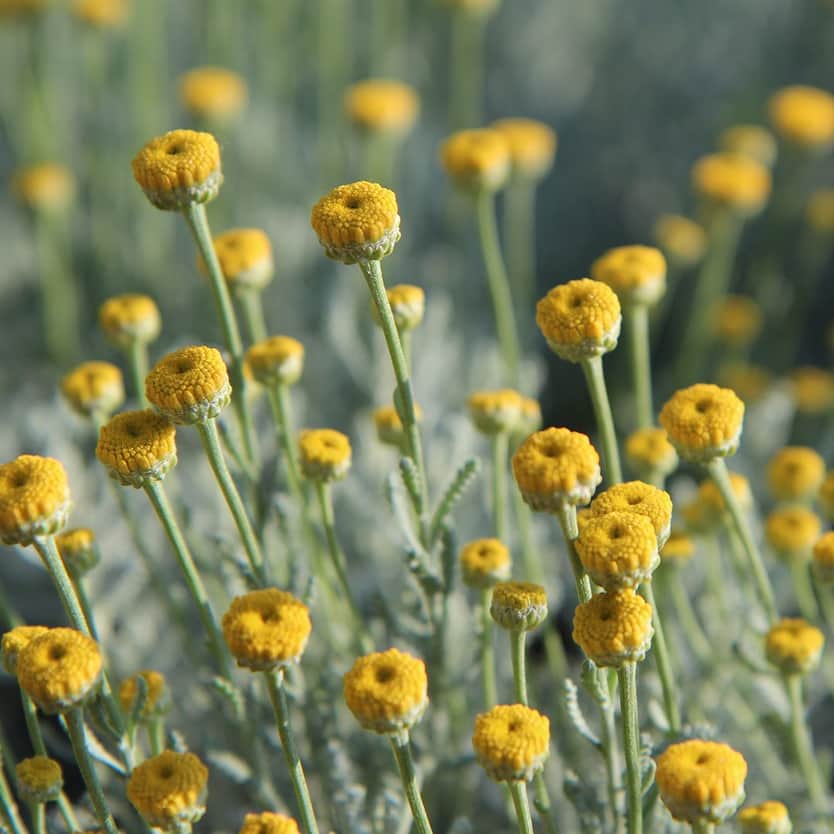
    Santolina is a hardy, evergreen, aromatic shrub widely found along European coastlines. It most likely originated in the Mediterranean region and is present throughout most of Italy, where it is cultivated for ornamental purposes and has often become naturalised. Santolina is considered a subshrub: it forms large clumps which, if left unpruned, may exceed 1 metre in diameter, with woody branches at the base. It develops upright, slender, woolly stems covered with persistent grey-green foliage that, depending on the variety, may be divided or thread-like and releases a pleasant fragrance.

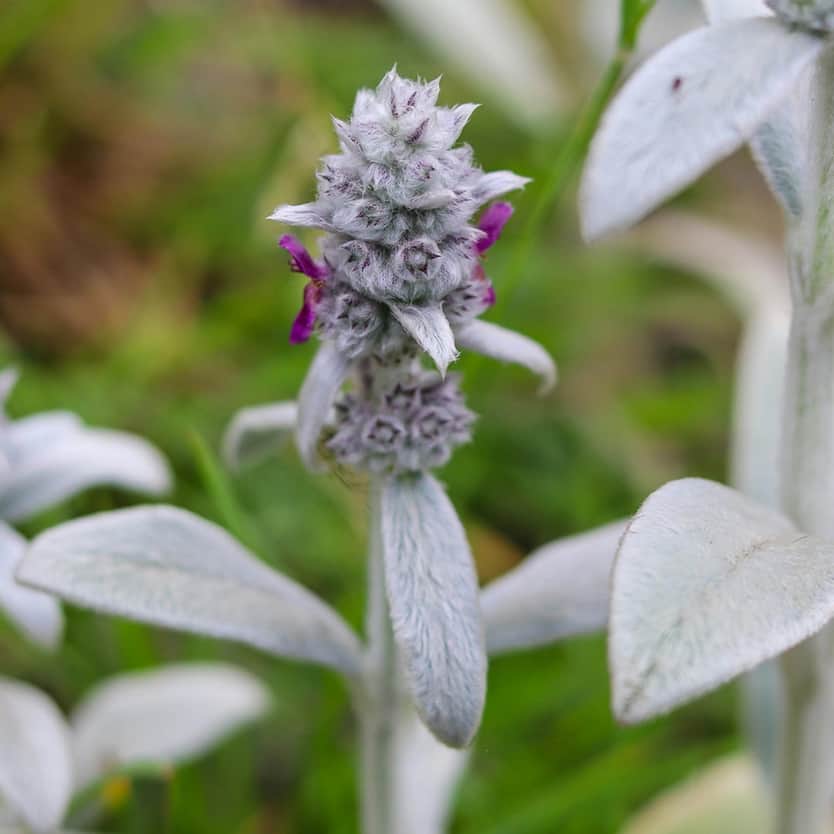
  • Stachys byzantina

    Stachys byzantina, commonly known as lamb’s ear, is a perennial plant belonging to the Lamiaceae family. It is recognised for its soft silver-grey woolly leaves and for its resistance to heat and drought, making it ideal for gardens located in areas with dry summers. This plant can reach heights between 20 and 80 cm and produces lavender-coloured flowers that enhance the decorative appearance of outdoor spaces. It is highly appreciated for its ability to form attractive ground cover and for its low maintenance requirements, making it an excellent choice for plant enthusiasts.

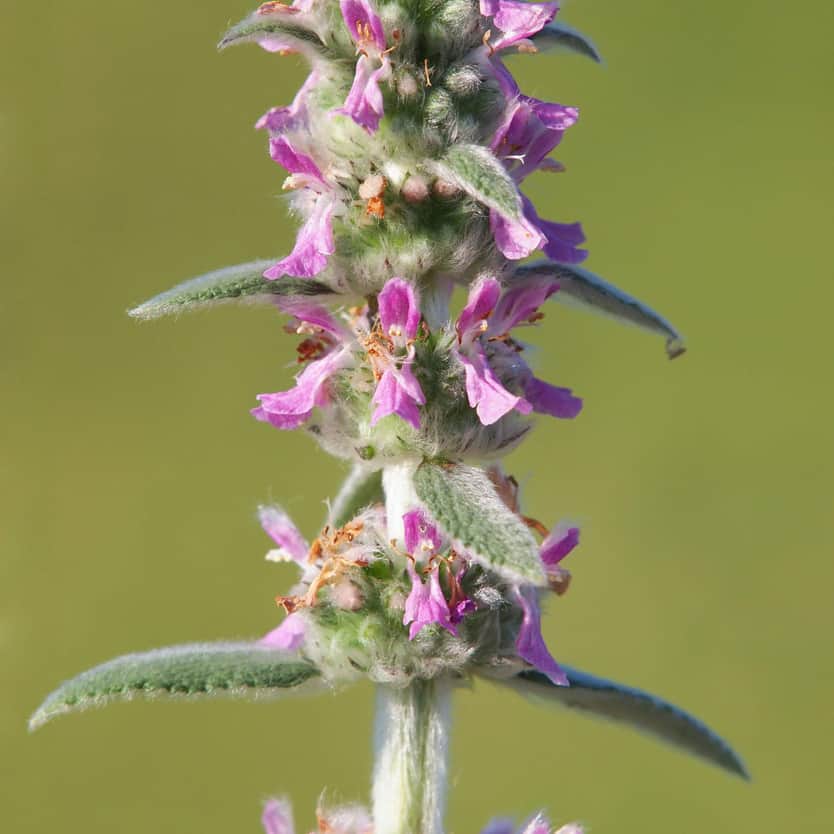
  • Stachys germanica

    Stachys germanica, also known as German hedge-nettle, is a small perennial herbaceous plant that may reach approximately 3–6 metres in height. Its leaves are grey and softly hairy, with a heart-shaped base and toothed edges, while the stem is upright and may become woody over time. The flowers grow in whorls, and the plant prefers calcareous soils, meadows, and uncultivated grazing land. Stachys germanica is known for its traditional medicinal properties and was historically used to treat infections and as a substitute for cotton in wound care.

  • Teucrium

    Teucrium is a genus of dicotyledonous flowering plants belonging to the Lamiaceae family. Species within this genus may be annual or perennial herbaceous plants with characteristic two-lipped flowers typical of Mediterranean climates. Teucrium is recognised for its drought resistance and its ability to adapt to poor soils and full sun exposure. Plants in this genus are generally downy or hairy, aromatic, and may release a garlic-like scent when crushed.

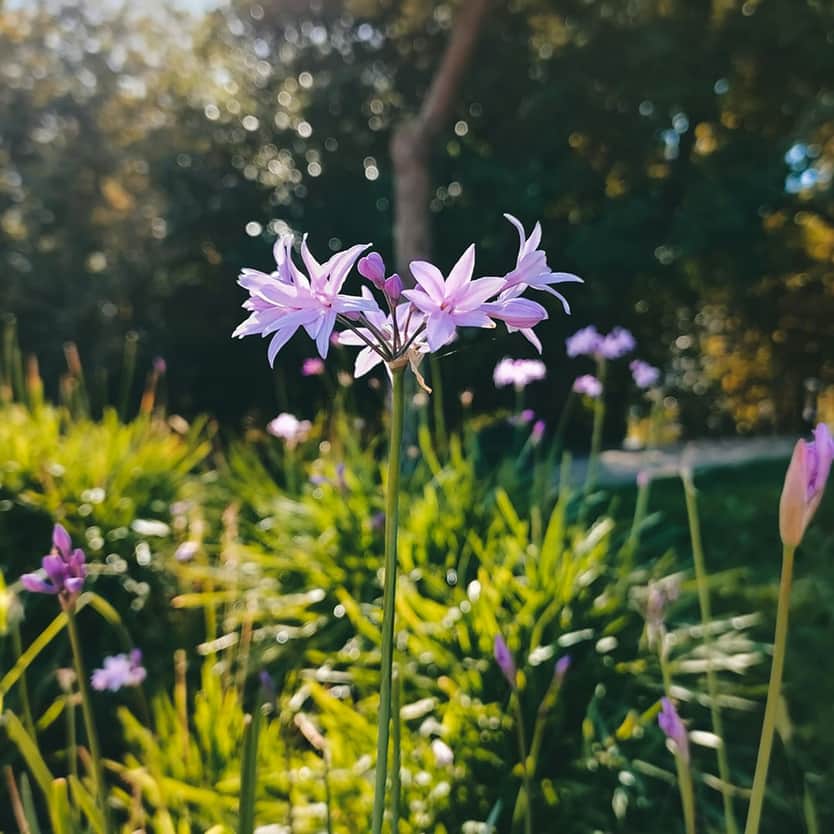
  • Tulbaghia

    Tulbaghia is a hardy plant that closely resembles both chives and garlic. Thanks to its beautiful and long-lasting flowering period, it is cultivated as an ornamental species in the poor soils of rock gardens. The plant develops a strong rhizomatous root system and produces dense clumps of narrow, linear, light green leaves. Its flowers display a distinctive crown-like structure.

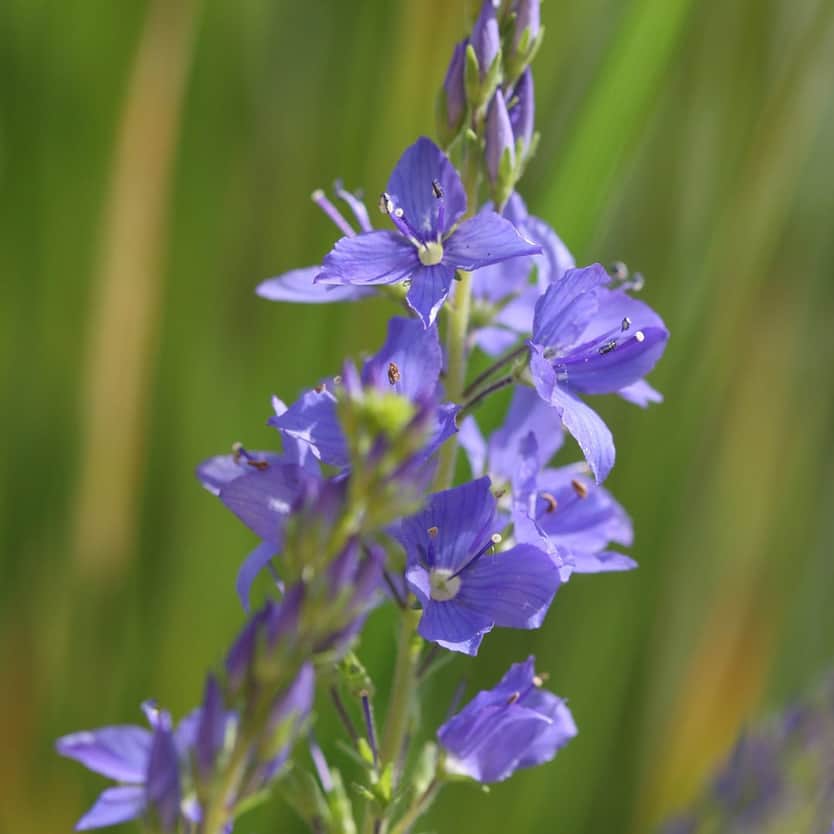
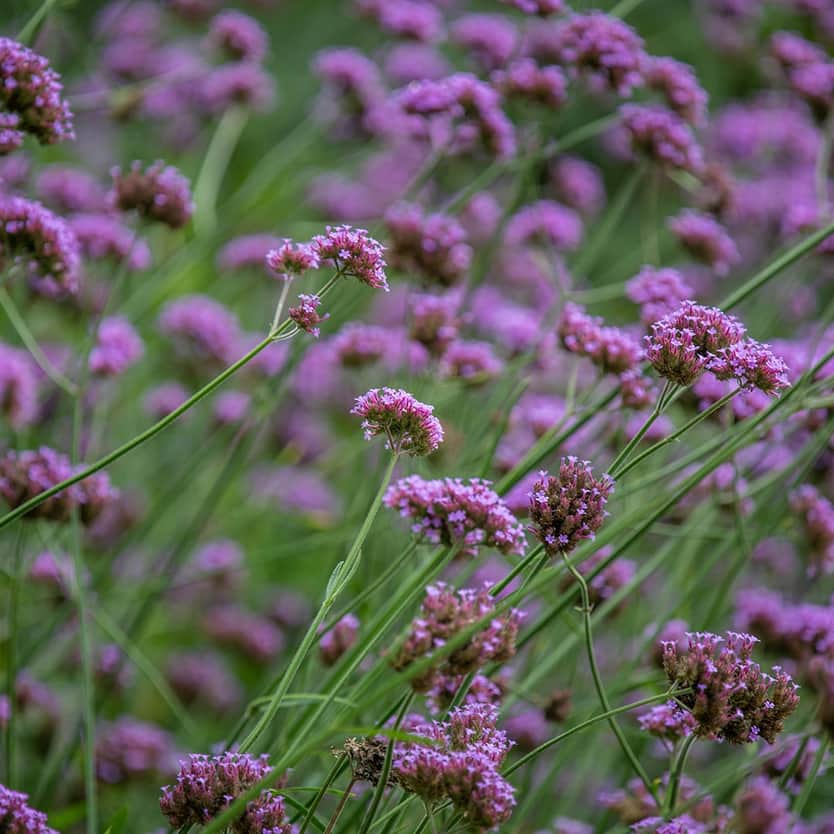
  • Verbena

    Verbena belongs to the Verbenaceae family and includes more than 250 species among herbaceous, annual, and perennial plants. It develops an upright, four-sided stem with heights ranging from 20 cm to as much as 2 metres depending on the variety. The leaves are oval or lance-shaped, toothed, and marked by visible veins, often slightly hairy on the upper surface. The flowers are arranged in compact or umbrella-shaped clusters, displaying colours ranging from white, pink, red, and blue to lilac, sometimes variegated, and release a pleasant fragrance.

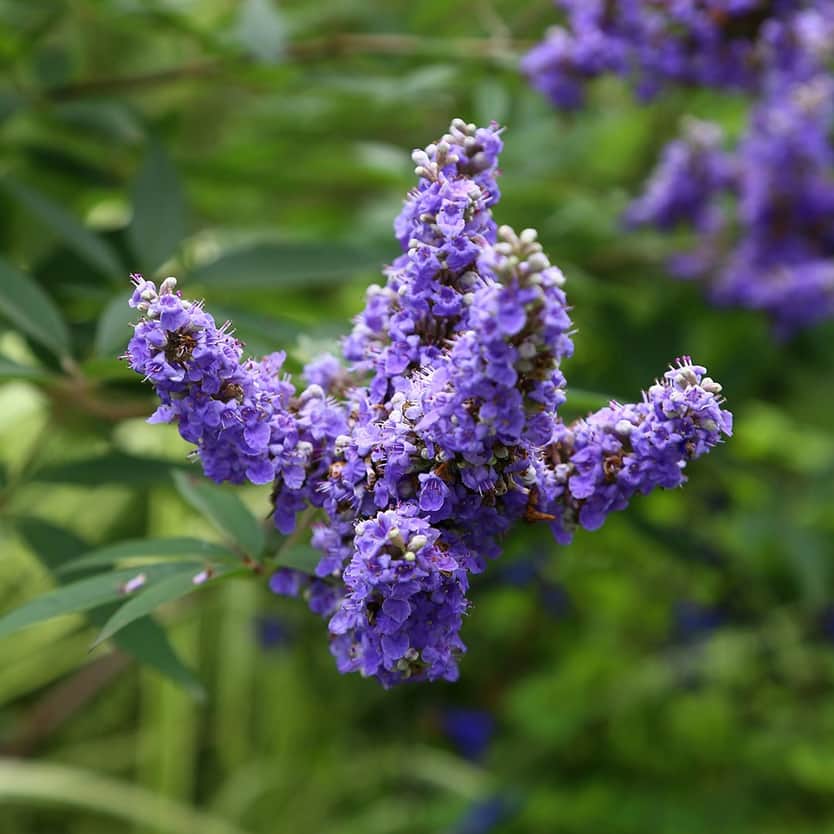
  • Vitex agnus-castus

    The chaste tree (Vitex agnus-castus) is a shrub or small tree reaching approximately 1–3 metres in height, with strong and sturdy branches typical of the Verbenaceae botanical family. Its leaves are borne on long stalks and divided into 5–7 lance-shaped segments, while the flowers are violet to lavender in colour. The fruits are small drupes measuring approximately 4–5 mm and resemble black pepper seeds. This plant is appreciated for its pleasant fragrance and colourful flowering and is also cultivated for its traditional medicinal properties.

Trees

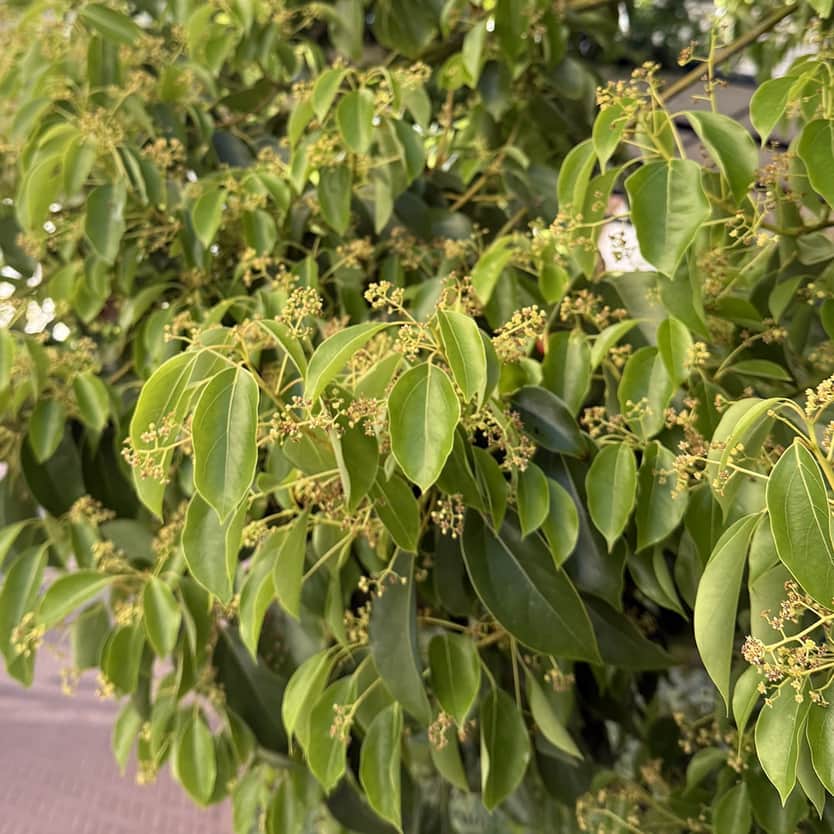
  • Camphor

    The camphor tree (Cinnamomum camphora) is a large evergreen tree known for its aromatic foliage and ornamental qualities. The camphor tree can reach a height of 20–50 metres depending on growing conditions. In Asia, it may exceed 40 metres, while in Europe and other temperate regions it generally remains smaller, usually growing between 5 and 15 metres. The trunk is sturdy and may exceed 3 metres in circumference. The bark is grey-brown in colour and develops deep fissures as the tree matures.

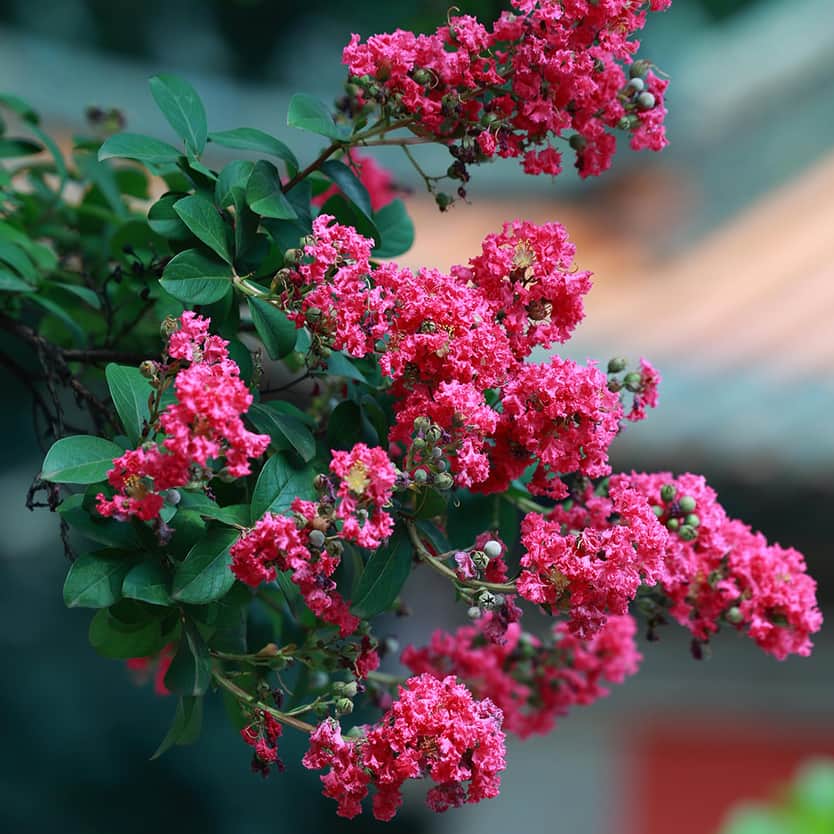
  • Lagerstroemia

    Also known as the crape myrtle or tree of Jupiter, Lagerstroemia is an ornamental plant appreciated for its summer flowering and decorative bark. Lagerstroemia originates from tropical Asia, particularly China and Japan, and is recognised for its hardiness and adaptability to different climatic conditions. It can grow either as a shrub or a small tree, reaching heights between 2 and 8 metres. The bark is smooth and peels away in patches, creating an attractive decorative effect. The flowers vary in colour from white to pink and purple and bloom throughout summer, producing a spectacular visual display.

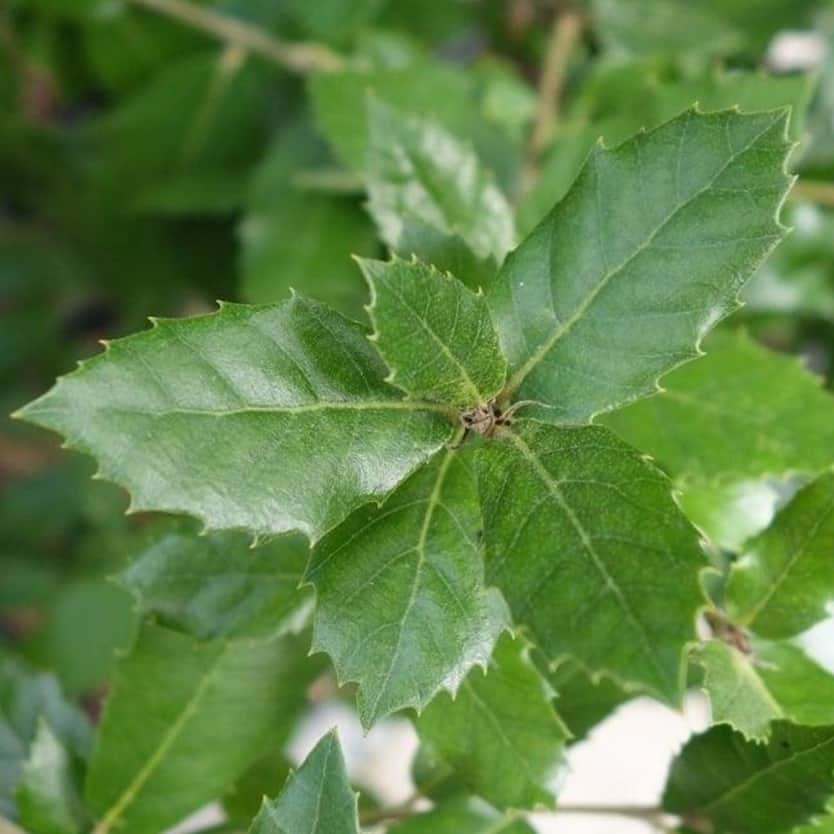
  • Holm oak

    The holm oak (Quercus ilex) is an evergreen tree belonging to the Fagaceae family and is typical of the Mediterranean basin. It can reach heights of 20–25 metres and develops a dense, rounded crown. The bark is smooth and grey when young, becoming darker and cracked with age. The leaves are leathery and variable in shape, with a dark green upper surface and a greyish, slightly hairy underside. The holm oak is a long-lived species capable of surviving up to 1,000 years and is highly valued for its resistance to adverse weather conditions and its ability to adapt to different environments.